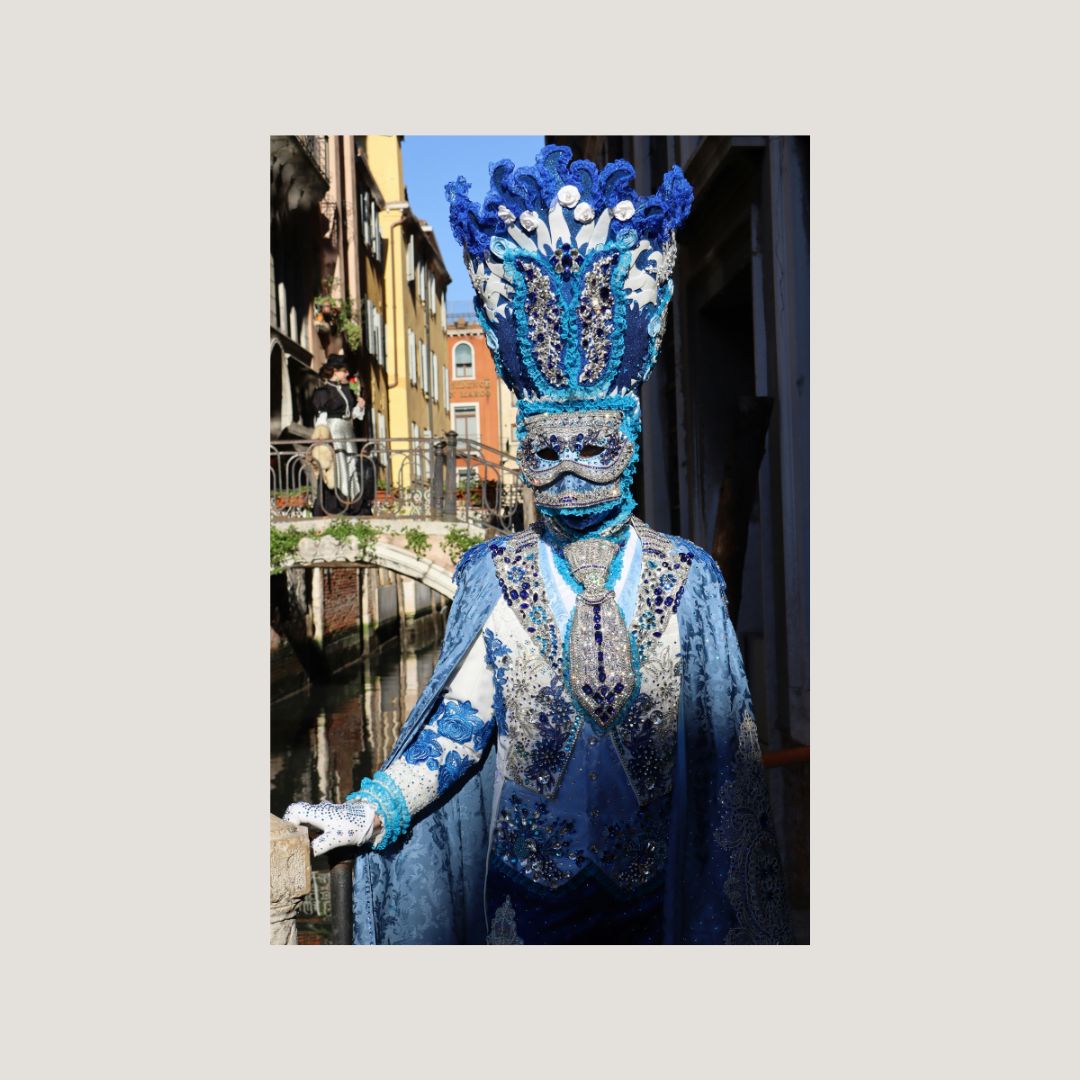
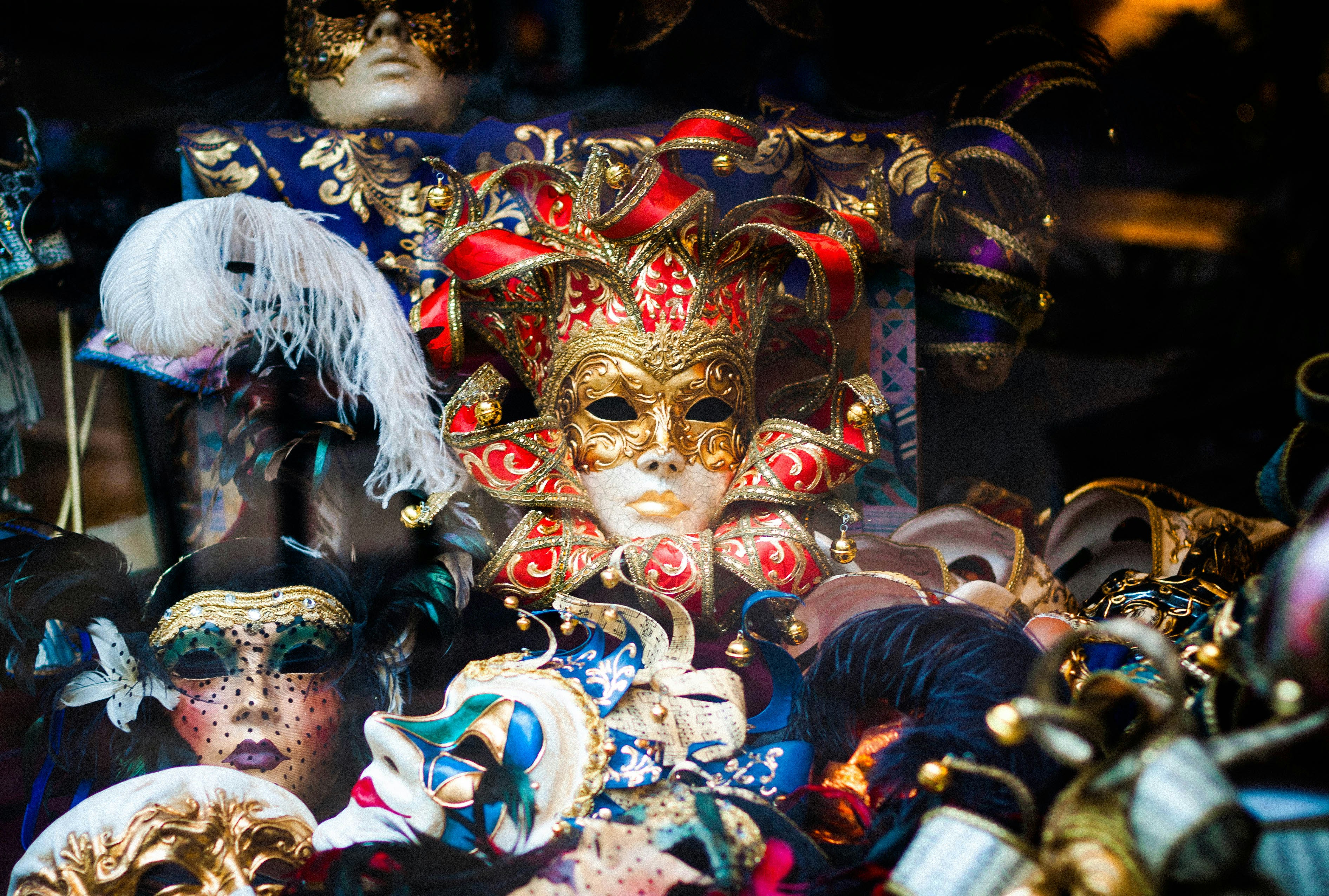
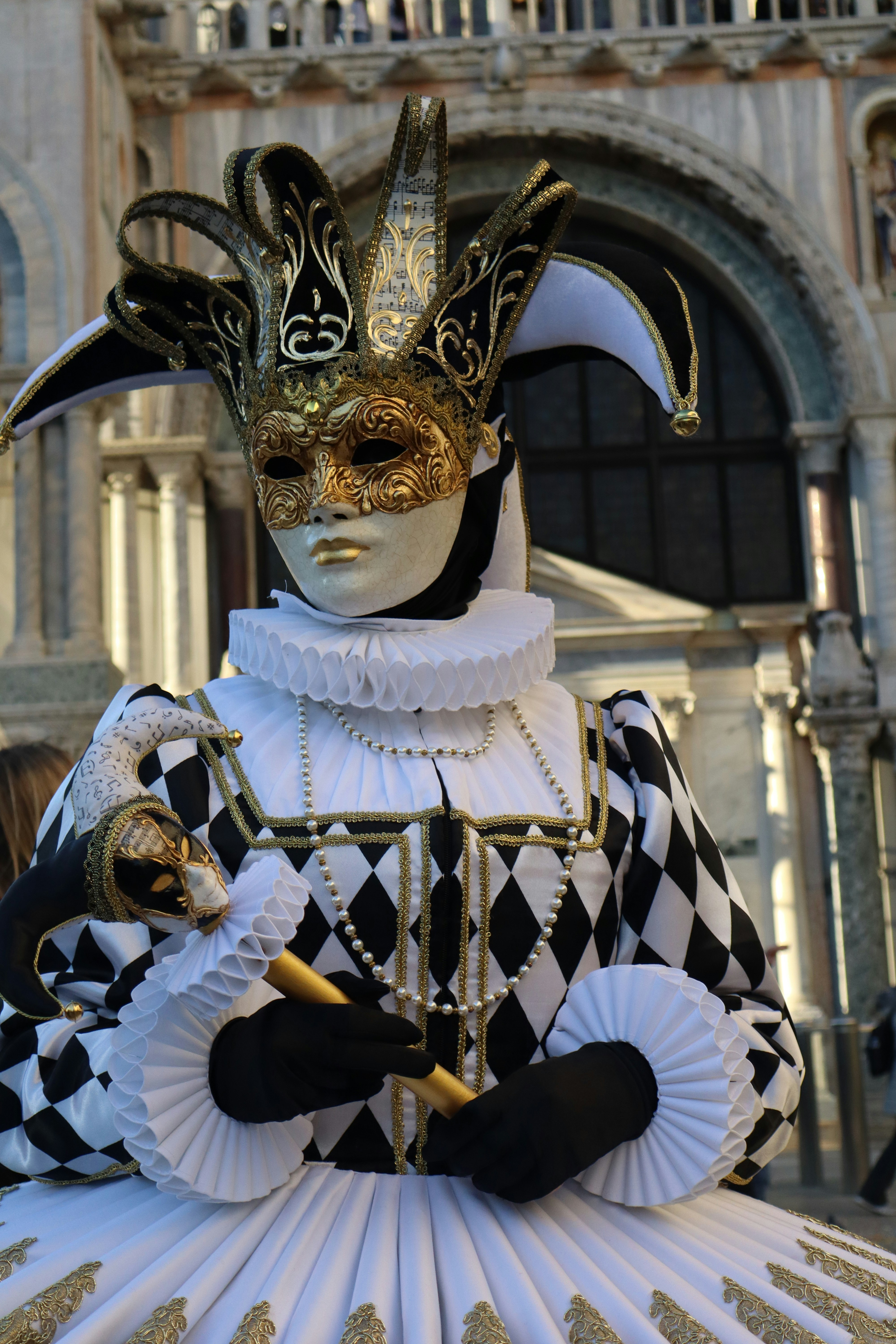
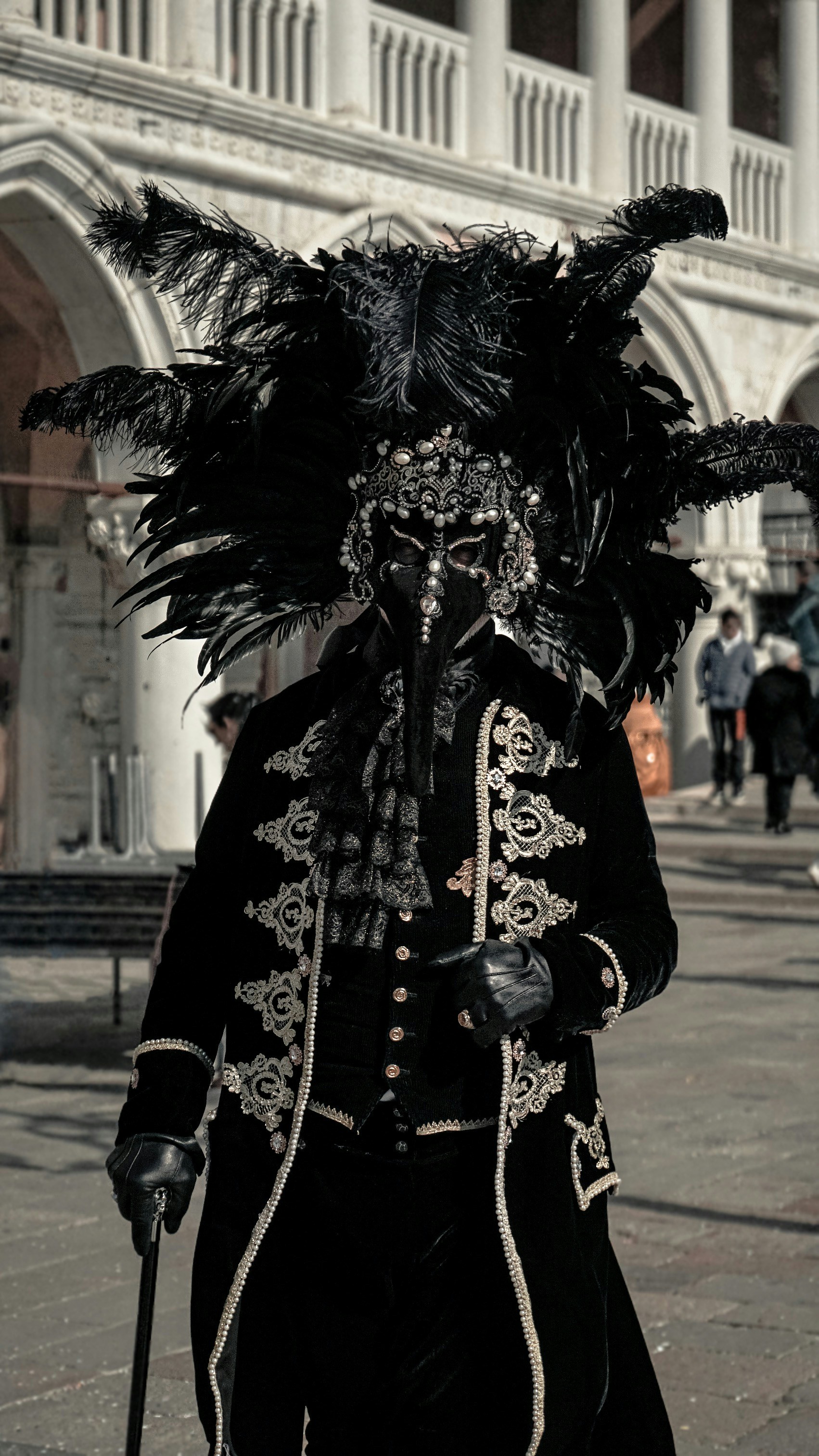
Venice Carnival got famous because it mixed power, secrecy, and spectacle in a way no one else was doing—and then Europe couldn’t stop talking about it.
Here’s the story in a nutshell
It started as a pressure valve (11th–12th century). The Carnival began as a public celebration before Lent, but in Venice it quickly became more than religious fun. The Republic realized that letting people party (and quite hard) kept social tensions low in a city packed with merchants, nobles, sailors, and foreigners. Masks changed everything!
Venetian masks erased class, gender, and identity. A noble could gamble with a fisherman, a woman could speak freely, a spy could blend in. This anonymity made Venice feel thrillingly dangerous and liberating. Other cities had festivals; Venice had freedom with plausible deniability. The Republic quietly promoted it!
By the Renaissance, the Venetian government officially regulated Carnival and stretched it from weeks into months. They understood it was political PR: visitors left amazed, intimidated, and eager to tell stories. Carnival became part of Venice’s brand as a rich, mysterious, powerful city. Europe’s elite turned it into a must-see
By the 17th–18th centuries, Carnival was a highlight of the Grand Tour. Writers, artists, nobles, and adventurers (like Casanova) spread tales of masked balls, secret affairs, and decadent excess. Reputation did the rest.
The look was unforgettable: Black cloaks, white masks, candlelit canals, baroque music.
Venice had cinematic vibes centuries before cinema. Other carnivals were loud; Venice was elegant and eerie. That aesthetic stuck.
Disappearing helped…The carnival was suppressed under Napoleon in 1797 and faded for almost two centuries. When it was revived in the late 20th century, it returned as a myth made real. Scarcity + legend = instant global fascination.
Why it’s still famous today
It’s not just a party—it’s a time machine. You’re stepping into a world of secrecy, art, rebellion, and theater that feels unchanged.