Pienza: The Ideal Renaissance City of Tuscany
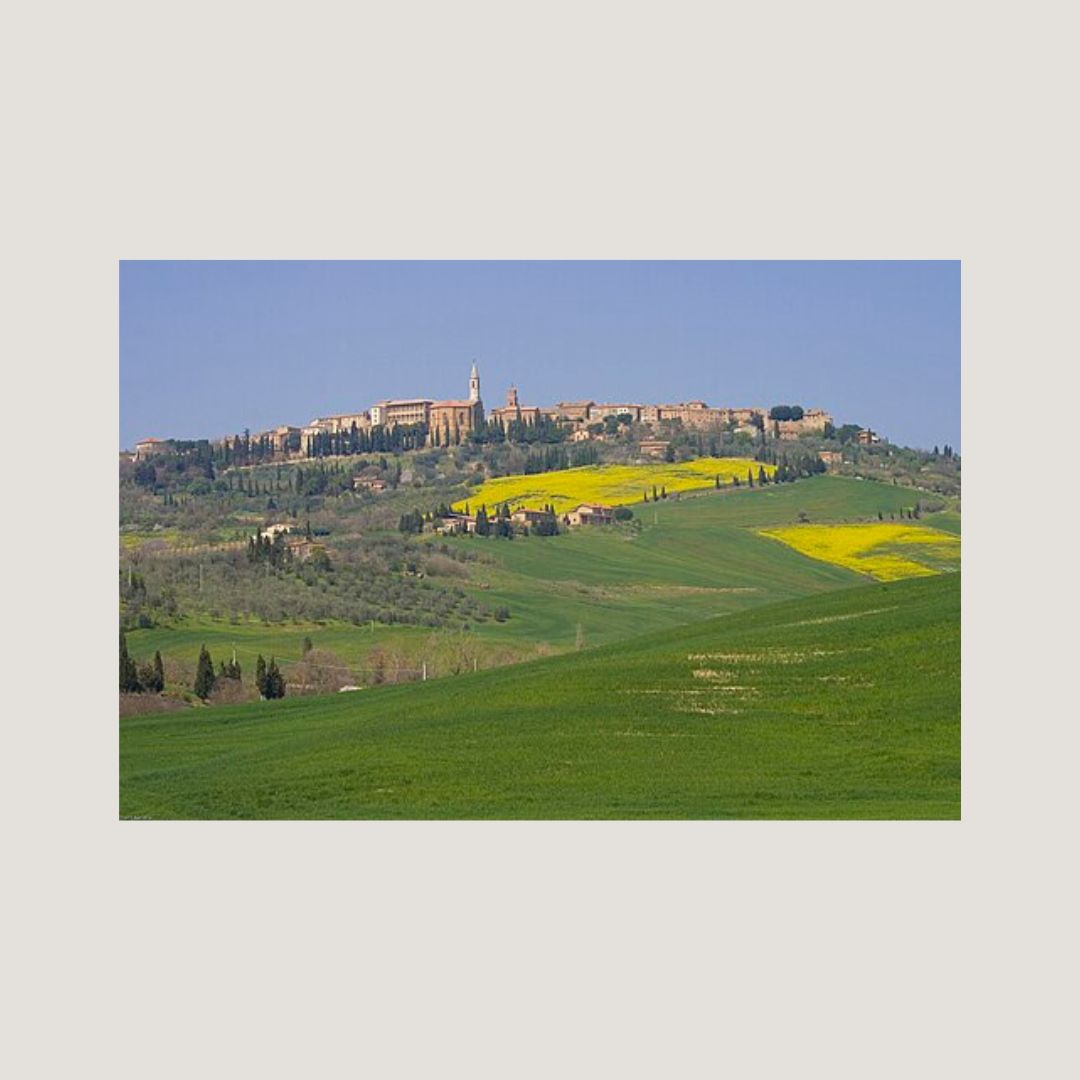
Nestled in the heart of Tuscany’s Val d’Orcia, the small hilltop town of Pienza is a gem of Renaissance urban planning and architecture. Recognized as a UNESCO World Heritage Site, Pienza stands out not only for its breathtaking views and charming streets but also for its unique history as the realization of a utopian vision.
A Vision Born in the Renaissance
Pienza was transformed in the 15th century by Pope Pius II, born Enea Silvio Piccolomini in the town then known as Corsignano. After ascending to the papacy in 1458, he sought to rebuild his hometown as an “ideal city” — a place that would embody the humanist ideals of the Renaissance.
He commissioned the famous architect Bernardo Rossellino, a student of Leon Battista Alberti, to redesign the town according to Renaissance principles of harmony, proportion, and order. In just a few years (1459–1462), Corsignano became Pienza, meaning “city of Pius.”
Architectural Highlights
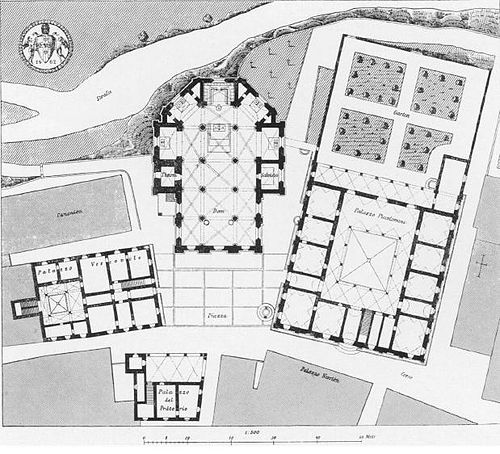
At the heart of Pienza is Piazza Pio II, a trapezoidal square that serves as the focal point of Rossellino’s design. Around the piazza are some of the most significant buildings in town:
The Cathedral (Duomo di Pienza): Blending Gothic and Renaissance styles, it features large arched windows and a bright, airy interior.
Palazzo Piccolomini: The Pope’s residence, notable for its elegant courtyard and panoramic views from the loggia.
Palazzo Borgia: Once the residence of visiting cardinals, it now houses the Diocesan Museum.
Palazzo Comunale: The town hall, with a loggia and clock tower, balancing the ecclesiastical structures with civic presence.
Cultural and Culinary Traditions
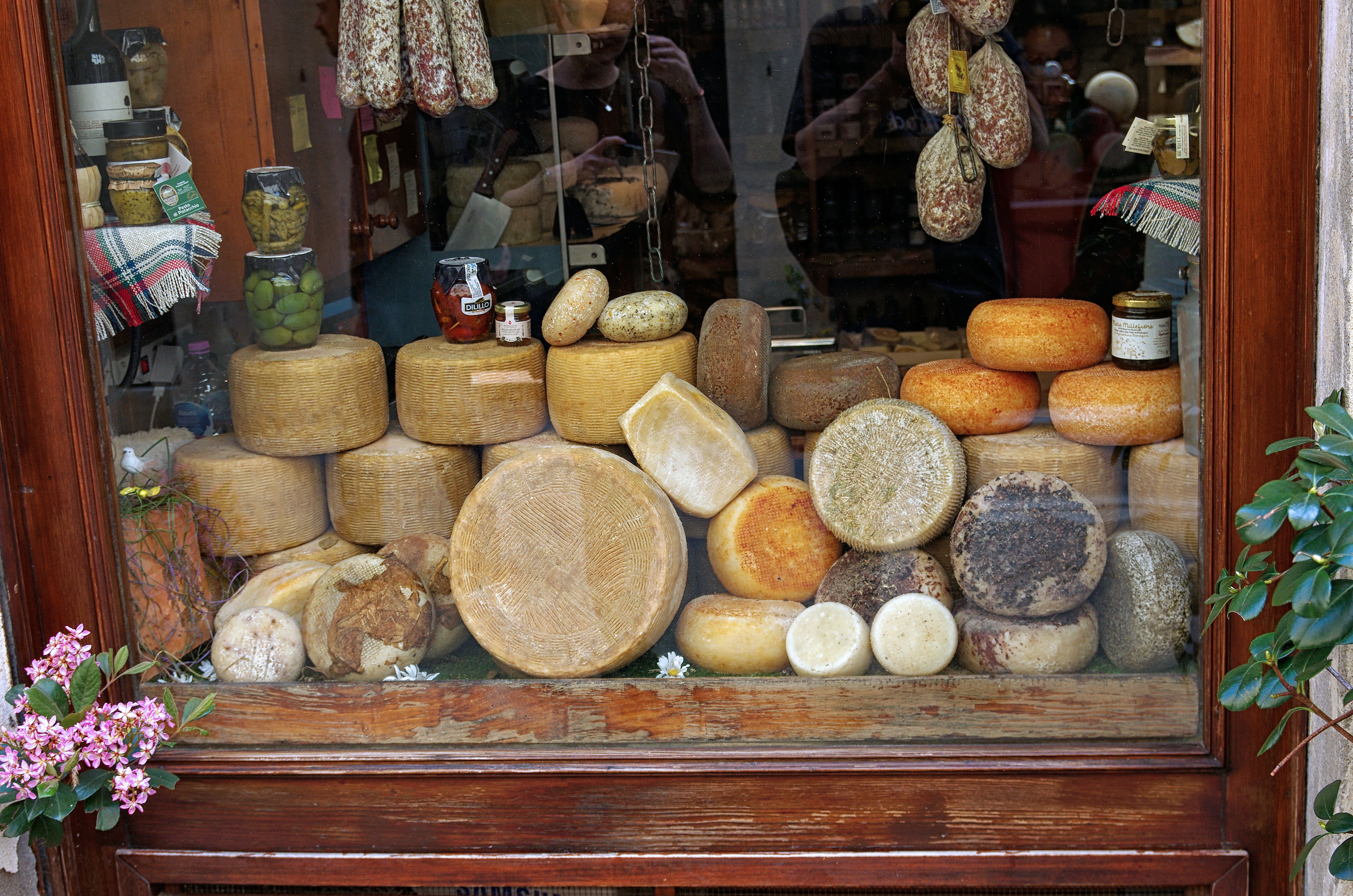
While its architecture draws scholars and art lovers, Pienza is equally famous for its pecorino cheese, known as Pecorino di Pienza.
Made from sheep’s milk and aged in local caves or under herbs, this cheese is a staple of the town’s identity. Visitors can sample it in various shops and during the Fiera del Cacio, an annual cheese festival held in September.
The town is also a starting point for exploring the Val d’Orcia, a UNESCO-listed landscape of rolling hills, cypress-lined roads, and picturesque farms — scenes that have inspired painters and photographers for centuries.
A Lasting Legacy
Pienza represents one of the earliest attempts in Western history to create a city based on philosophical and aesthetic ideals. Although its transformation was limited in scale, the principles embodied in its layout influenced urban planning in Italy and beyond for generations.
Today, Pienza remains a testament to the harmony between human vision and natural beauty, making it a must-see for anyone traveling through Tuscany.
.JPG)
.JPG)
.JPG)
.JPG)