Siena…
Floor of the Cathedral of Siena
MARBLE SALESMAN “GRAFFITO”
"The most beautiful..., great and magnificent... that had ever been done."
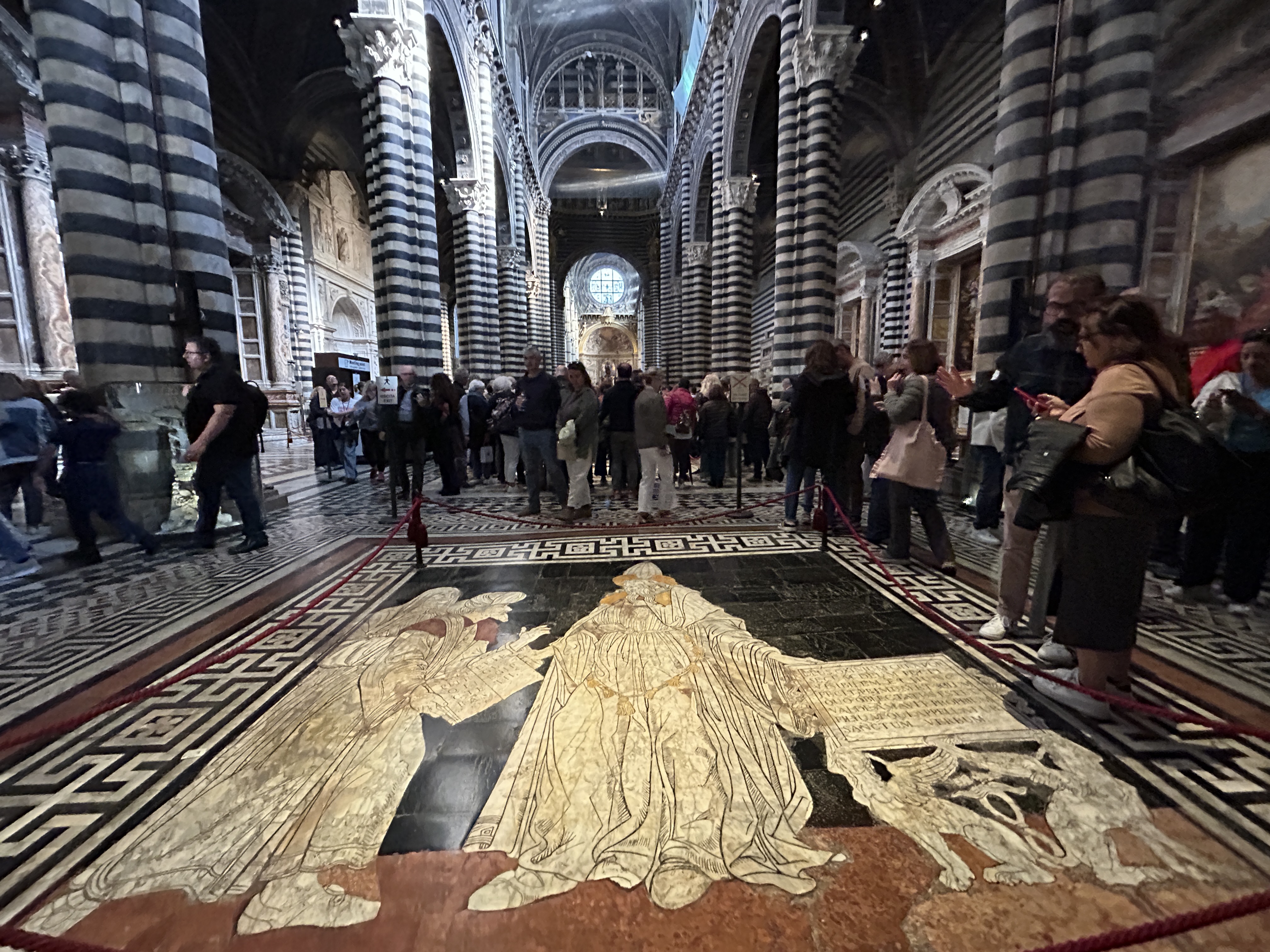
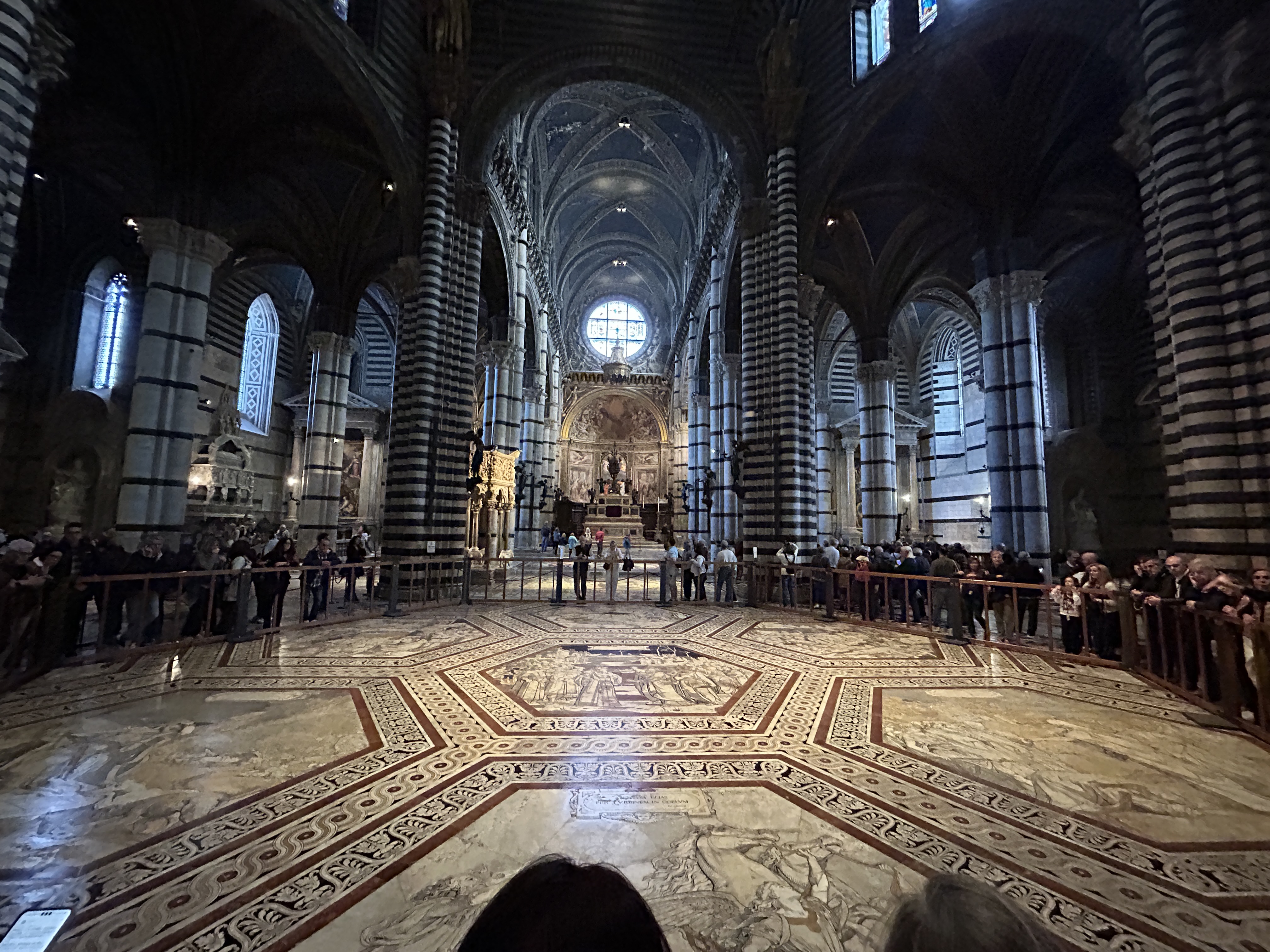
This is how Giorgio Vasari defined the floor of the Cathedral of Siena, the result of a program that has been realised through the centuries, starting from the fourteenth century to the nineteenth century.
The Cathedral of Siena preserves numerous masterpieces from every era. The work, in several ways exceptional, is the floor, "the most beautiful..., great and magnificent... that had ever been made", according to the definition of Giorgio Vasari, the result of a program that was realised through the centuries, starting from the fourteenth century to the nineteenth century. The preparatory cartoons for the fifty-six tarsie were provided by important artists, all from Siene, except for the Umbrian painter Bernardino di Betto called the Pinturicchio, author, in 1505, of the ketting with the Monte della Sapienza.
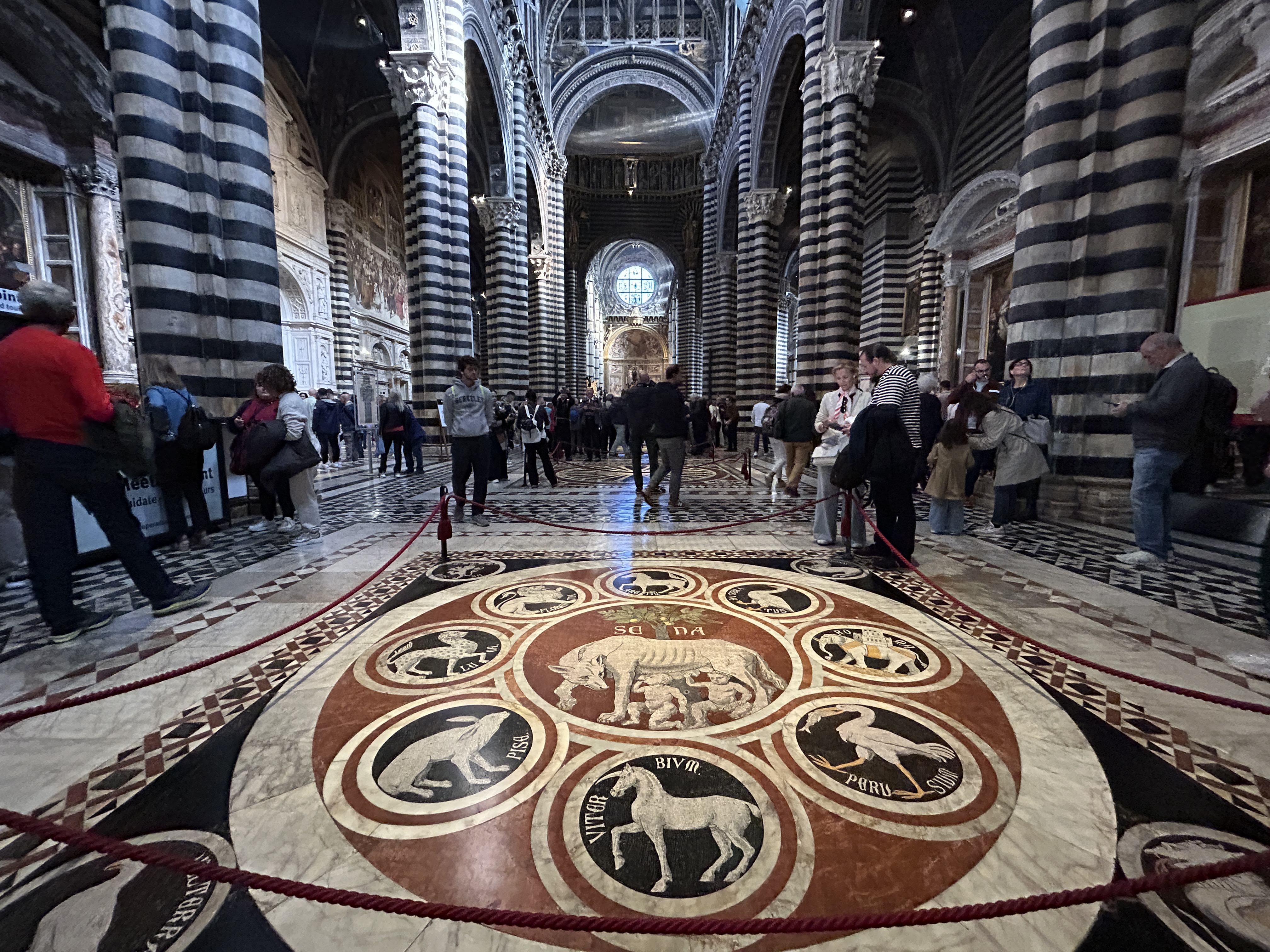
The technique used to transfer the idea of the various artists to the floor is that of the marble and graffiti clerk. It started in a simple way, and then gradually reached a surprising perfection: the first tarsies were dotted on white marble slabs with grooves made with the chisel and the drill, filled with black stucco. This technique is called graffiti. Then coloured marbles were added together as in a wooden inlay: this technique is called marble clerk.
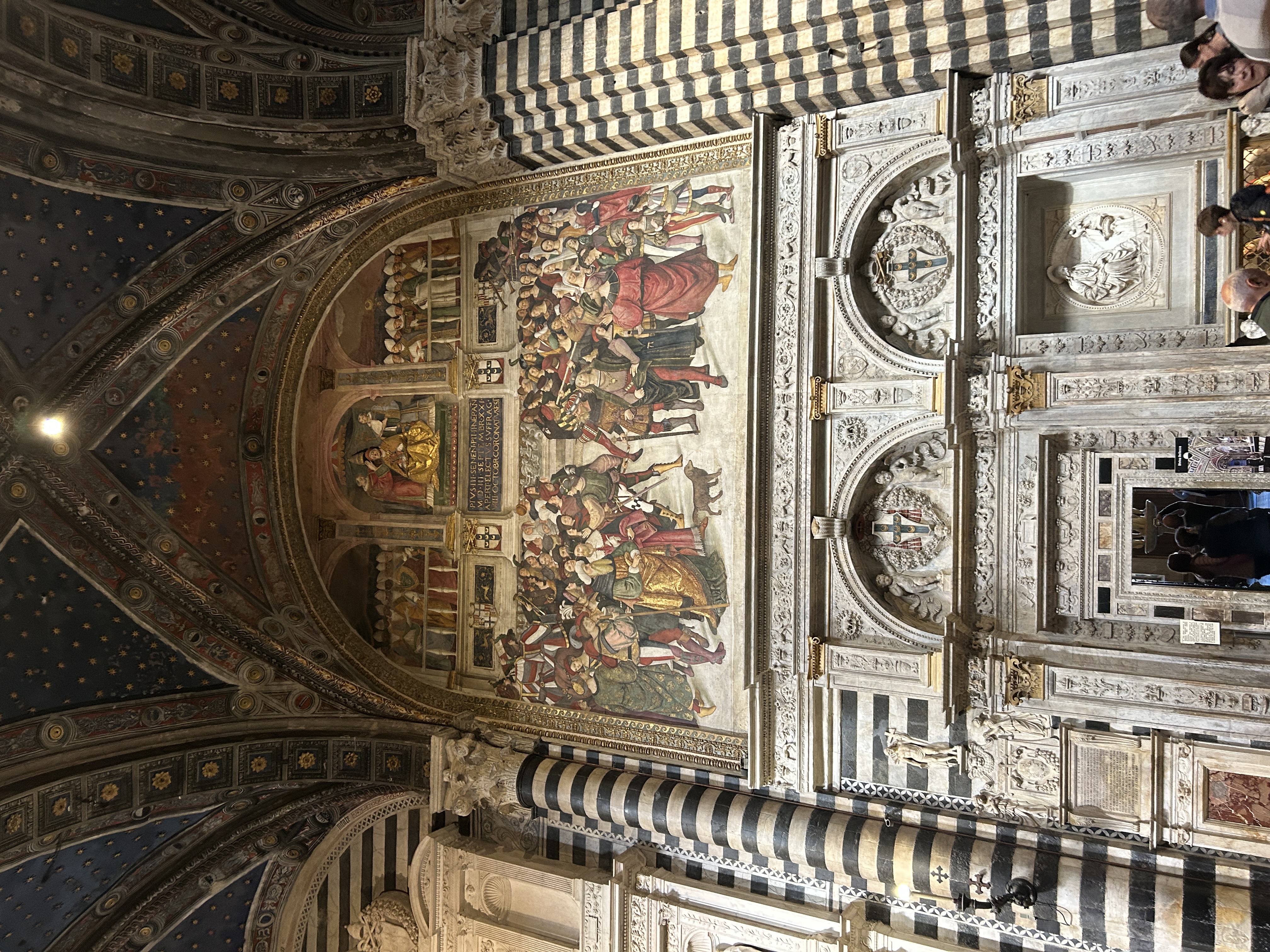
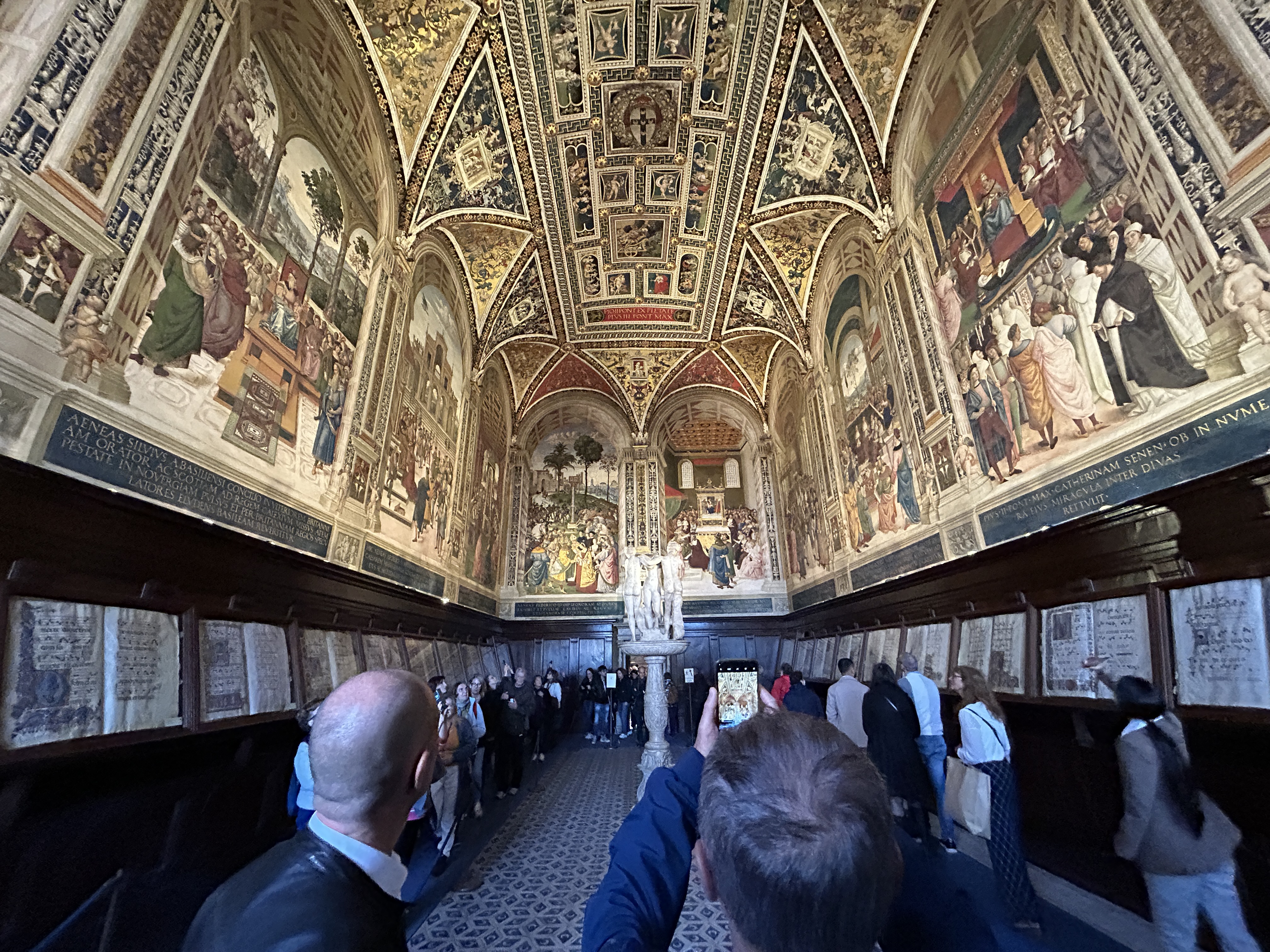
I also include photos of the Piccolominea bookstore, inside the cathedral,
which, in the intent of its financier Enea Silvio Piccolomini, then Pope Pio Secondo, was supposed to help people interpret the content of the floor, which has symbolic/initiatical value and which risked being incomprehensible to most of the people who saw it.
The bookstore has beautiful paintings, the coats of arms of the pope (and the nephew, also Pope, with the name of Pius III) and has a testimonial value, like the paintings of the baptistry, on how the evangelical content has been adapted and modified over time.
I recommend combining the visit of the cathedral, also:
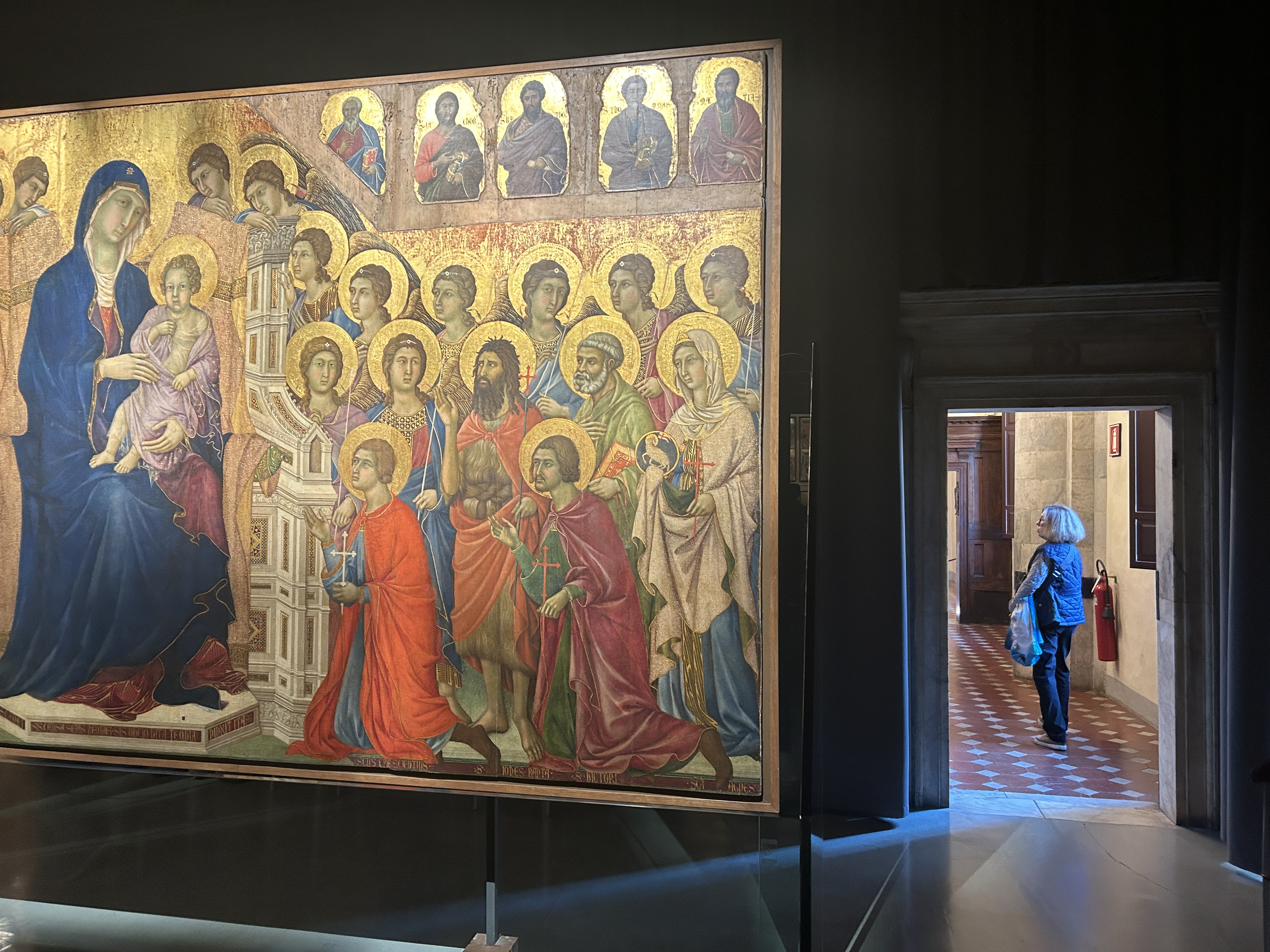
The museum of the cathedral,
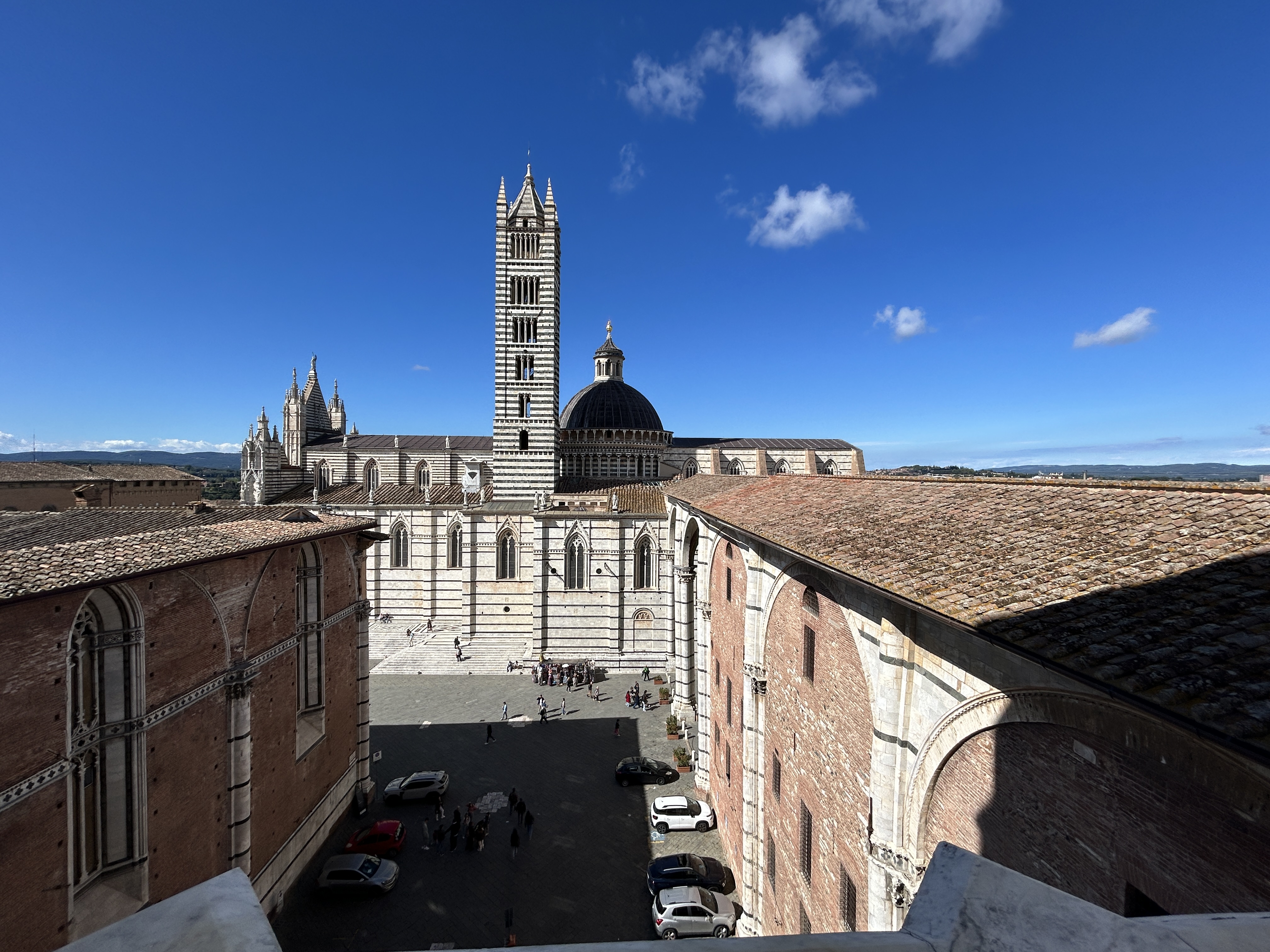
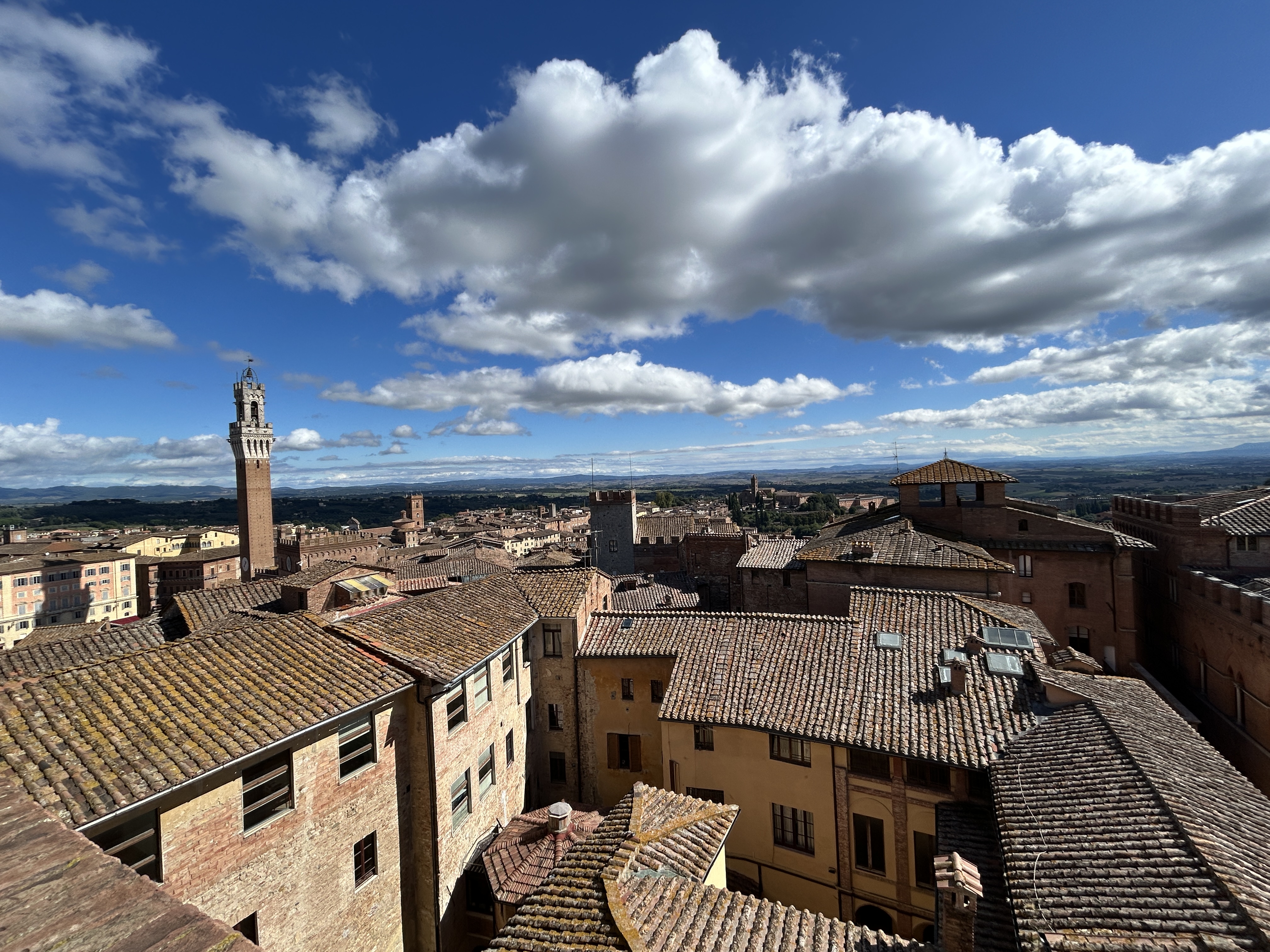
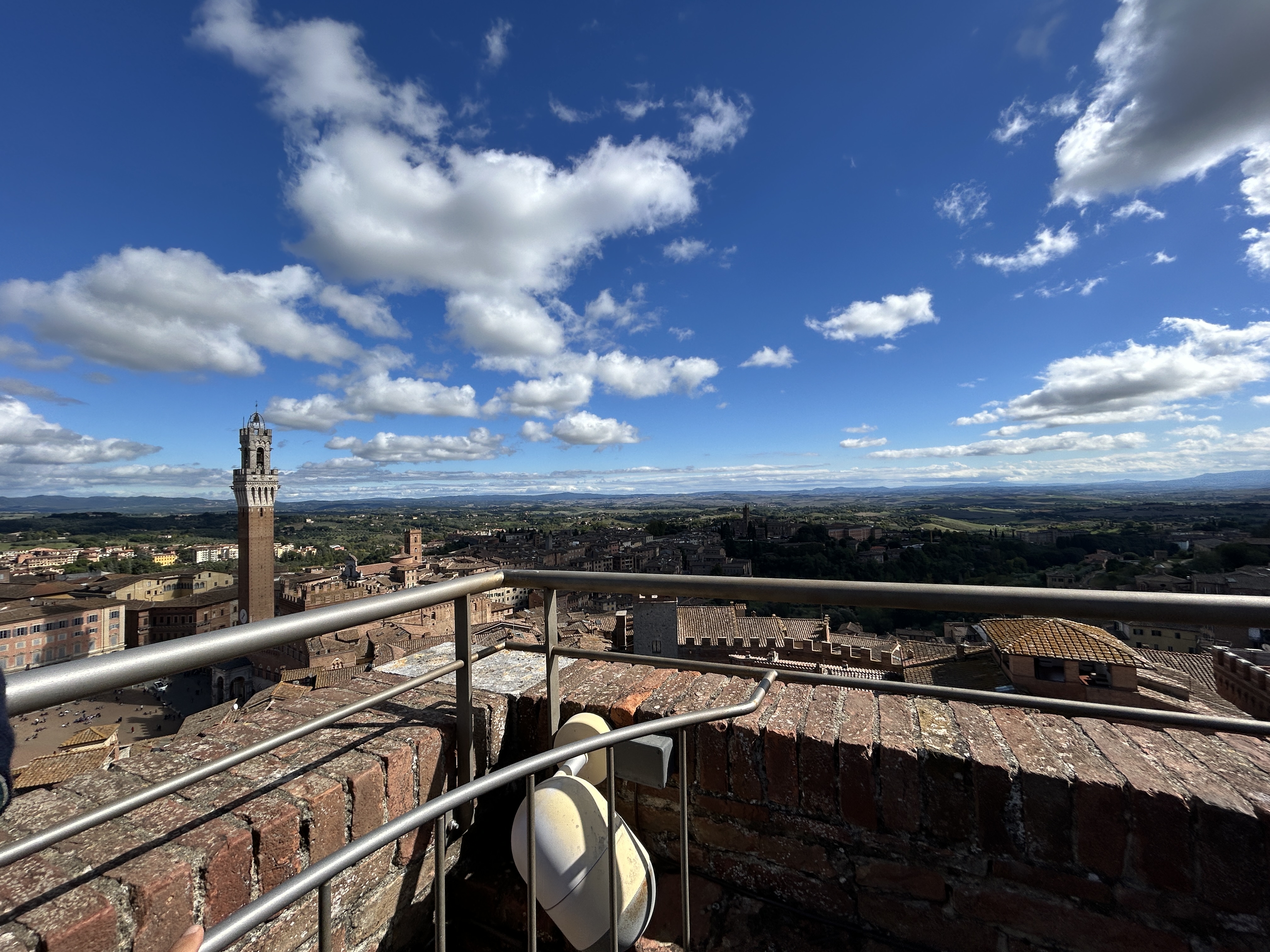
for the works contained therein, but above all, for the route on the "Faciatone" the unfinished part of the cathedral, from which you can enjoy a breathtaking view of the entire city;
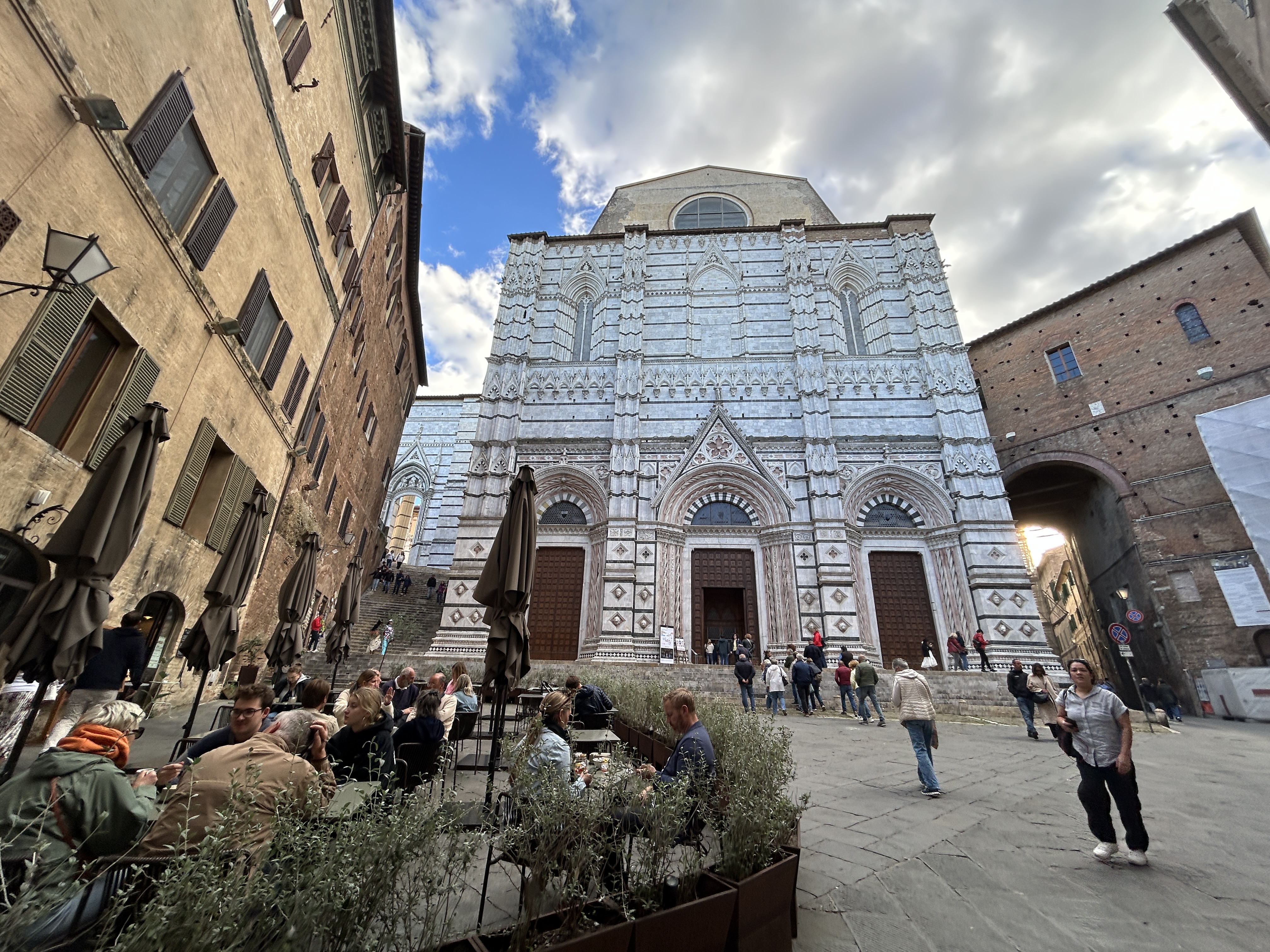
To visit the Baptistry, which is the back of the cathedral, where works from 1200/1300 are preserved that even take inspiration from the Apocryphal Gospels, then no longer accepted by the Church of Rome;
To take a guide, because alone it is very difficult to get into the meaning of this "speaking" work