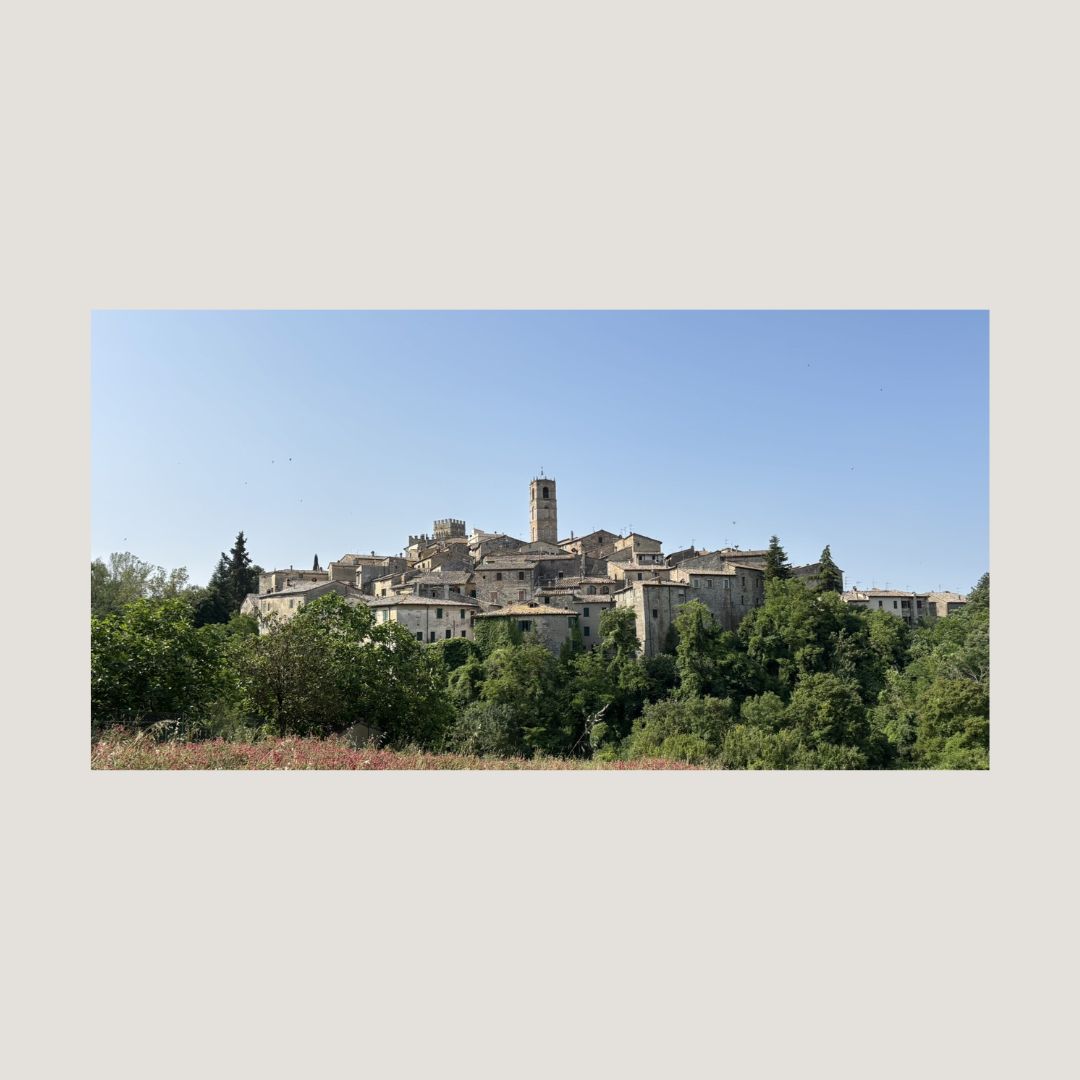
Located 65 km from Cortona, one hour's drive south, San Casciano dei Bagni is situated at the foot of Monte Cetona . It is particularly famous for its surrounding hot springs: the 40 springs with an average temperature of 42°C provide a daily supply of 5.5 million litres. That's 15 'adult' swimming pools per day, or 50 litres per second! (This makes them the third largest supply sources in Europe.)
The municipality also houses ' il Fonteverde Tuscan Resort & Spa', a five star resort with renowned spa, thermal baths, and a wellness center.
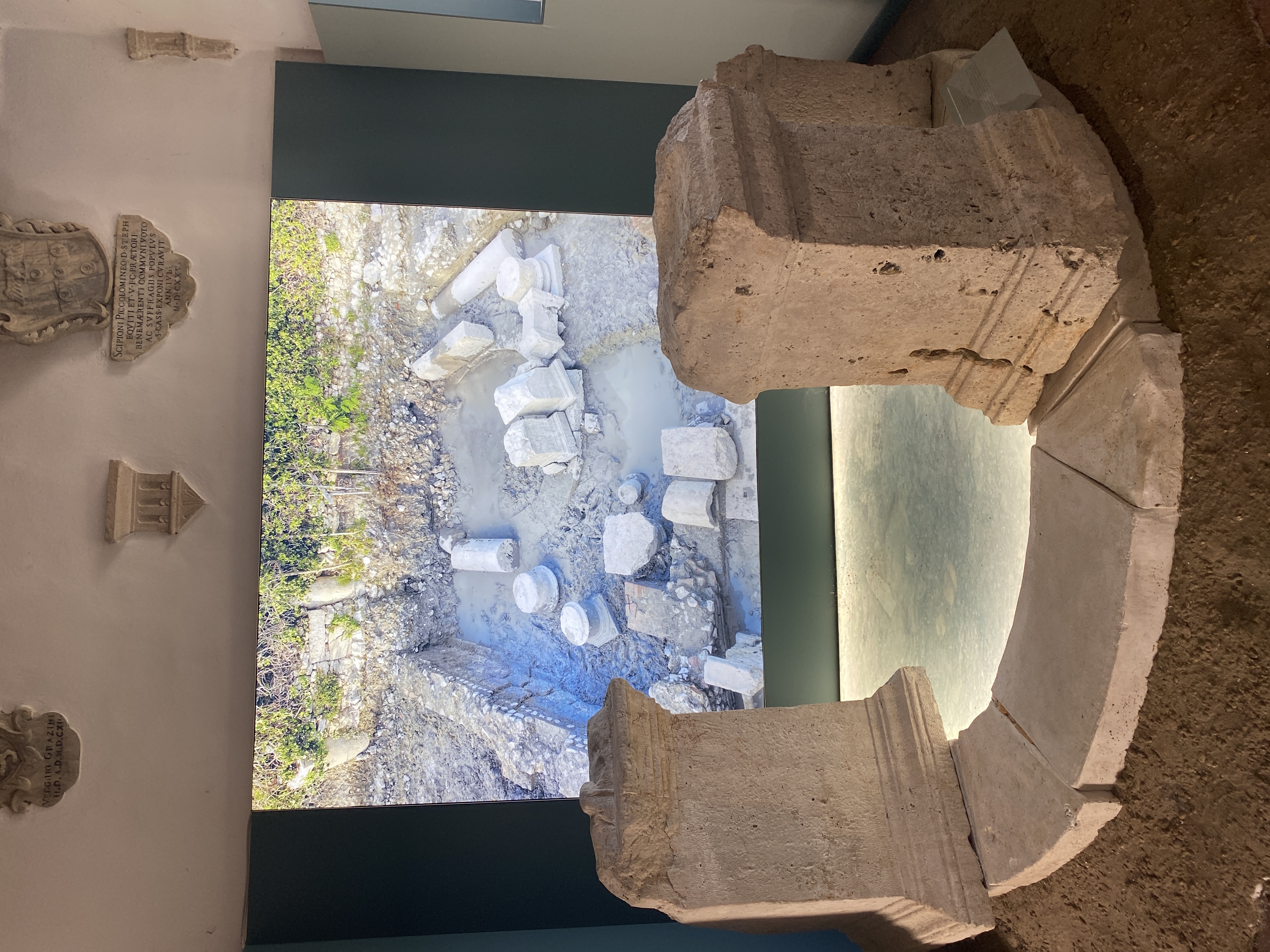
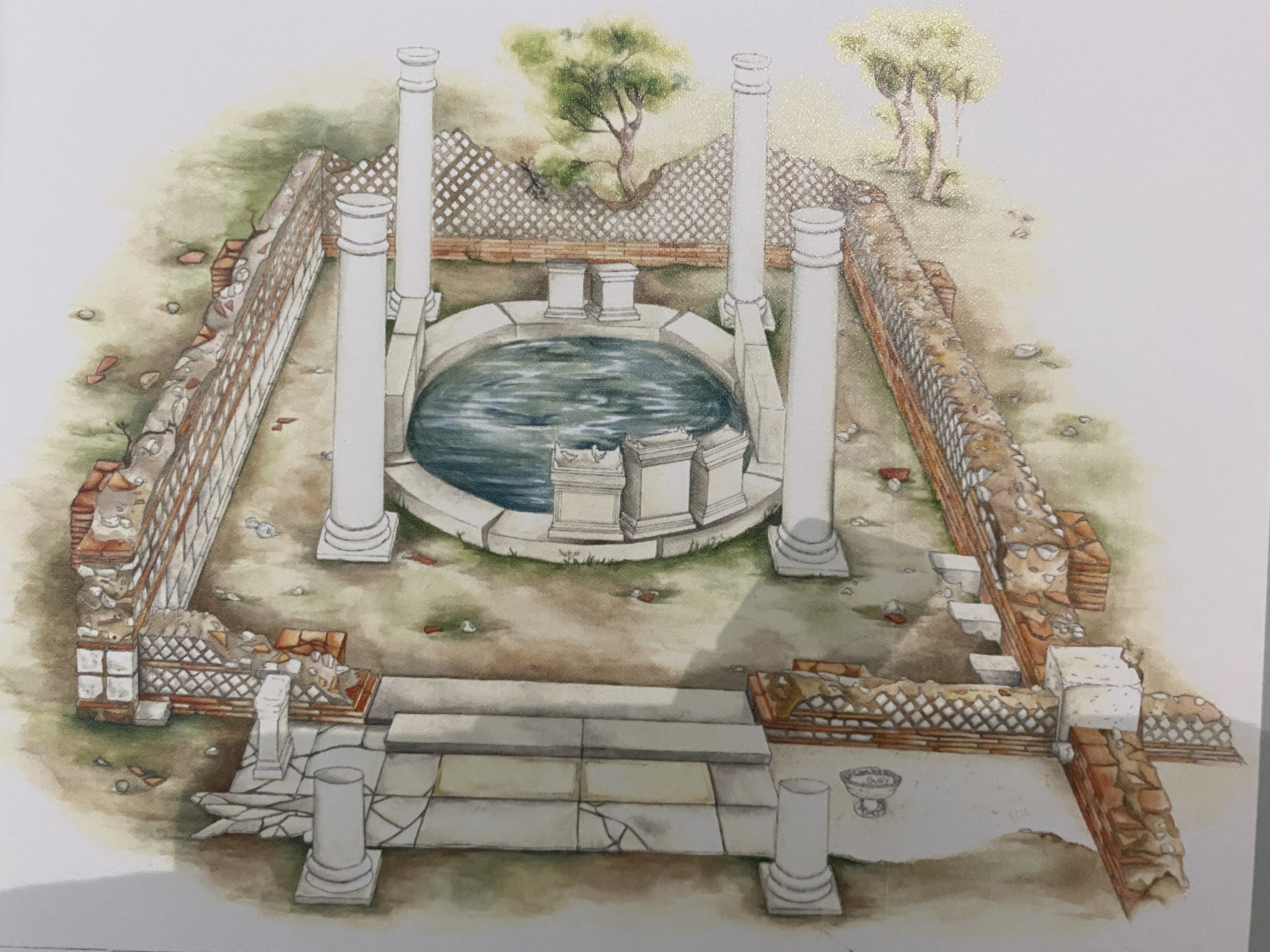
But the Etruscans and Romans also discovered the healing properties of the springs quite early on. This is evidenced by the recent discovery (2022) of twenty ancient statues from the 1st century BC to the 1st century AD. They were located in an Etruscan-Roman sanctuary at the Bagno Grande, one of the major thermal sites in the area. The statues have been preserved almost completely intact, because they were hidden for centuries in mud and hot water. They are considered one of the most important new finds from Antiquity in Italy.
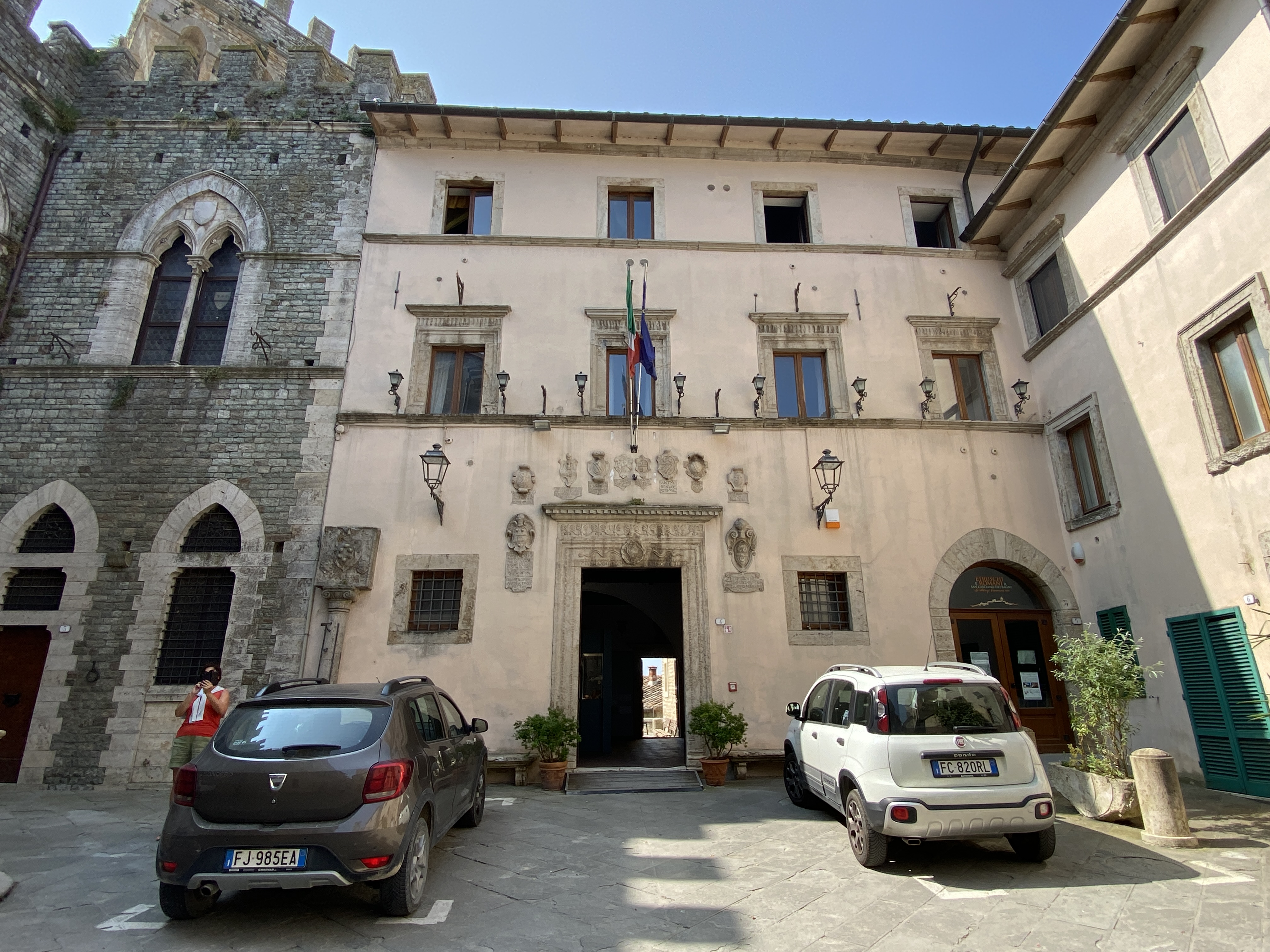
The statues will probably find a home in a new museum in the future, but for now a new small (free) museum space has been created in the portal of the Palazzo Communale, which documents the excavations and displays some of the finds.
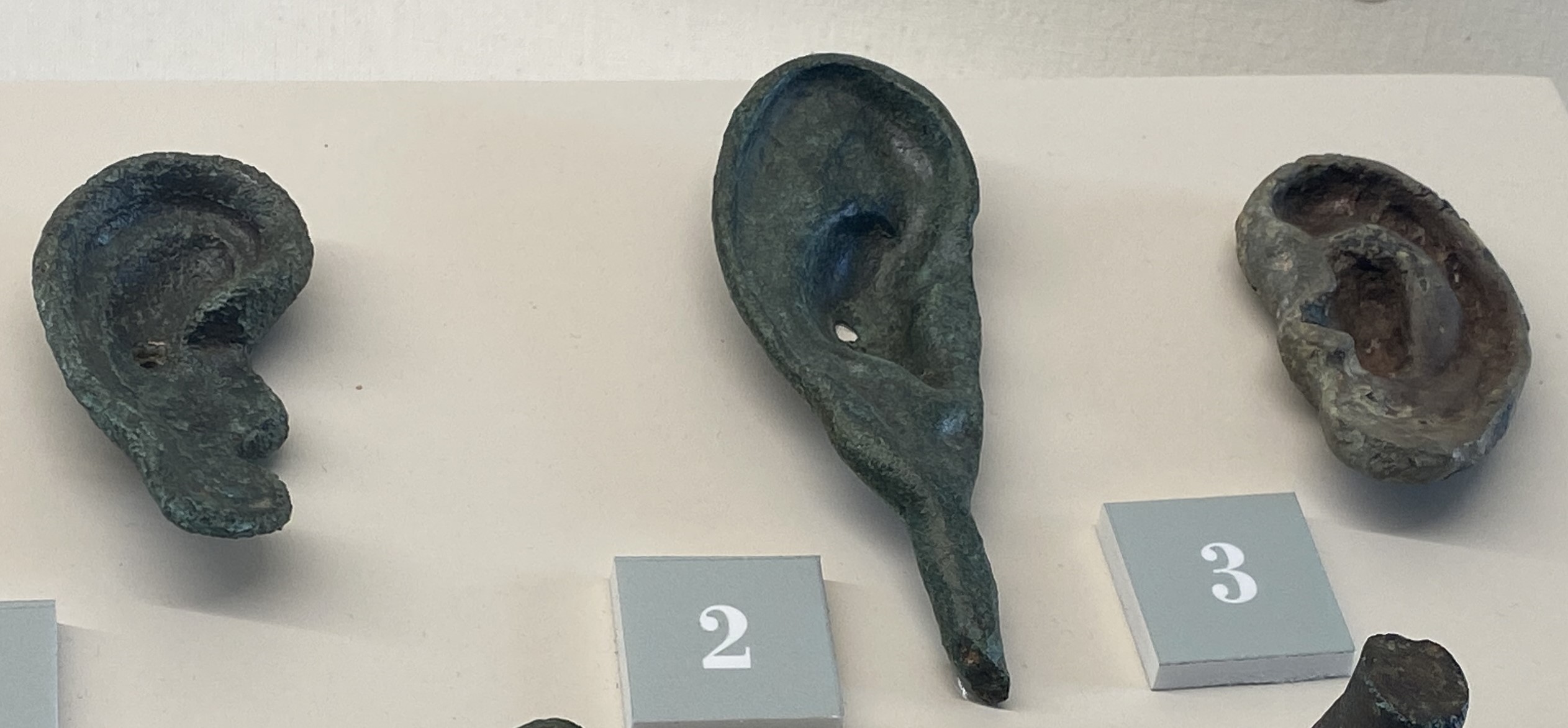
A number of bronze ears were also found. These ears were a votive: They were not only body parts that needed care, they also ensured that the sighs of the faithful reached the ears of the deity Isis more easily.
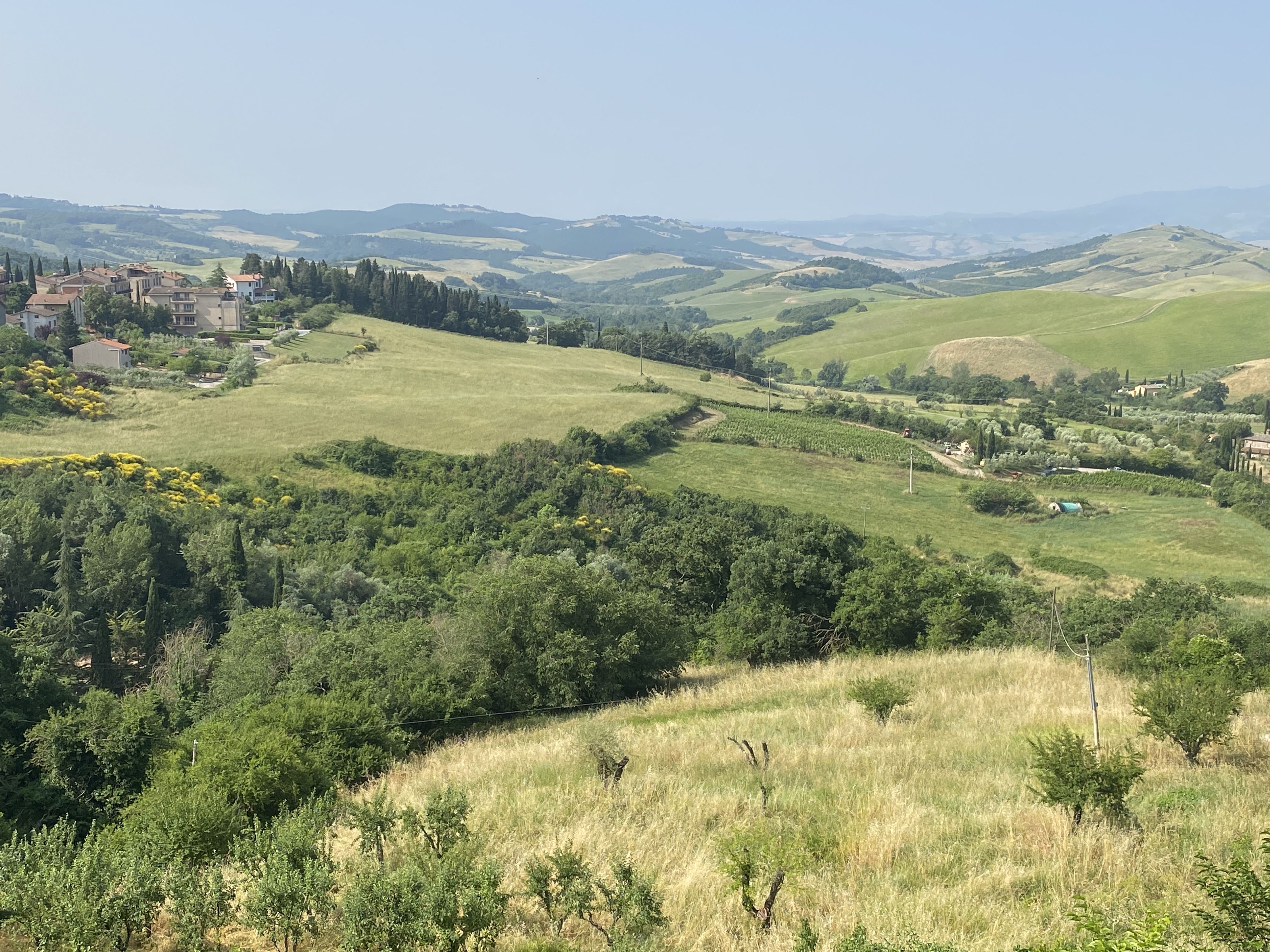
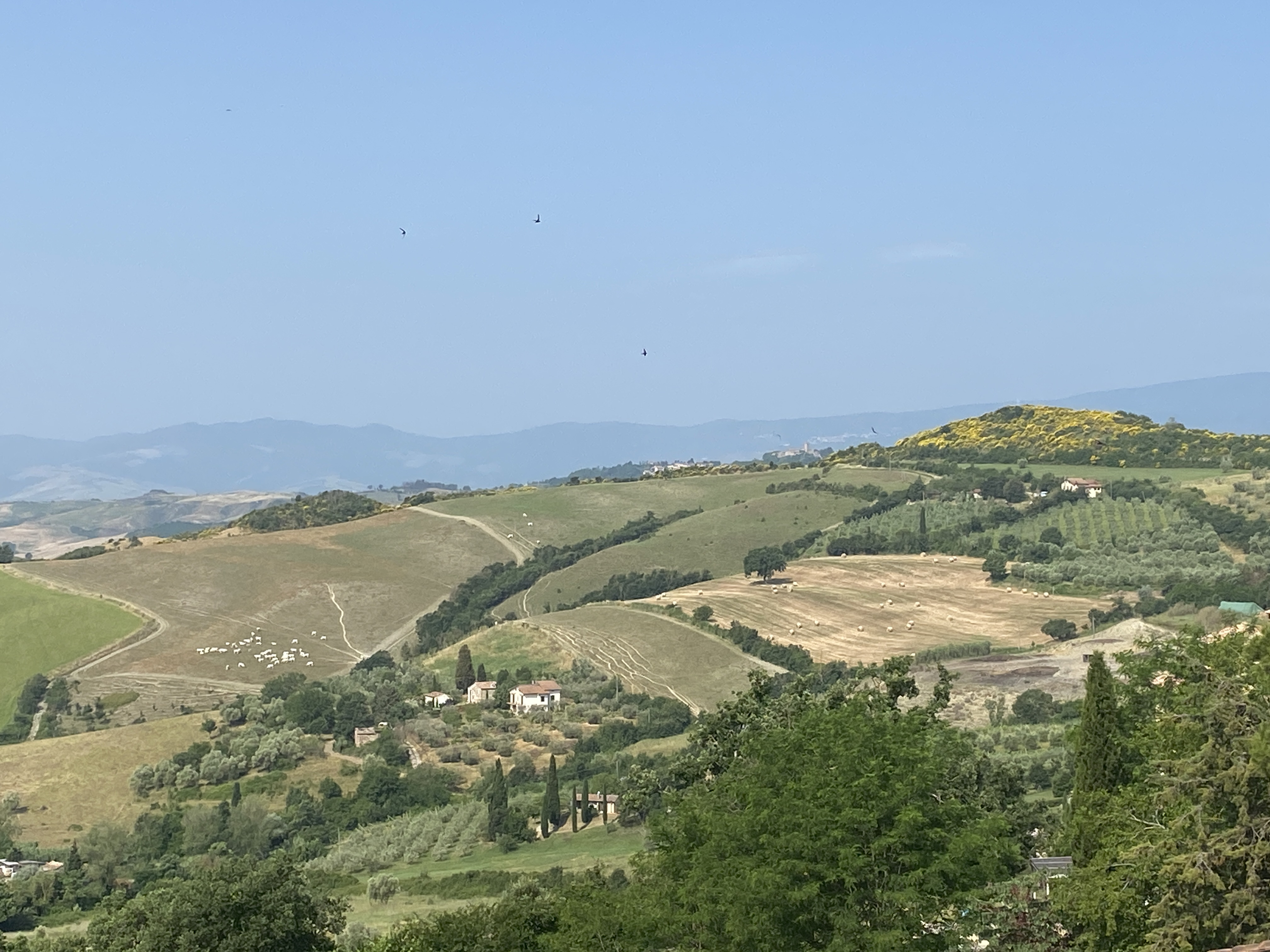
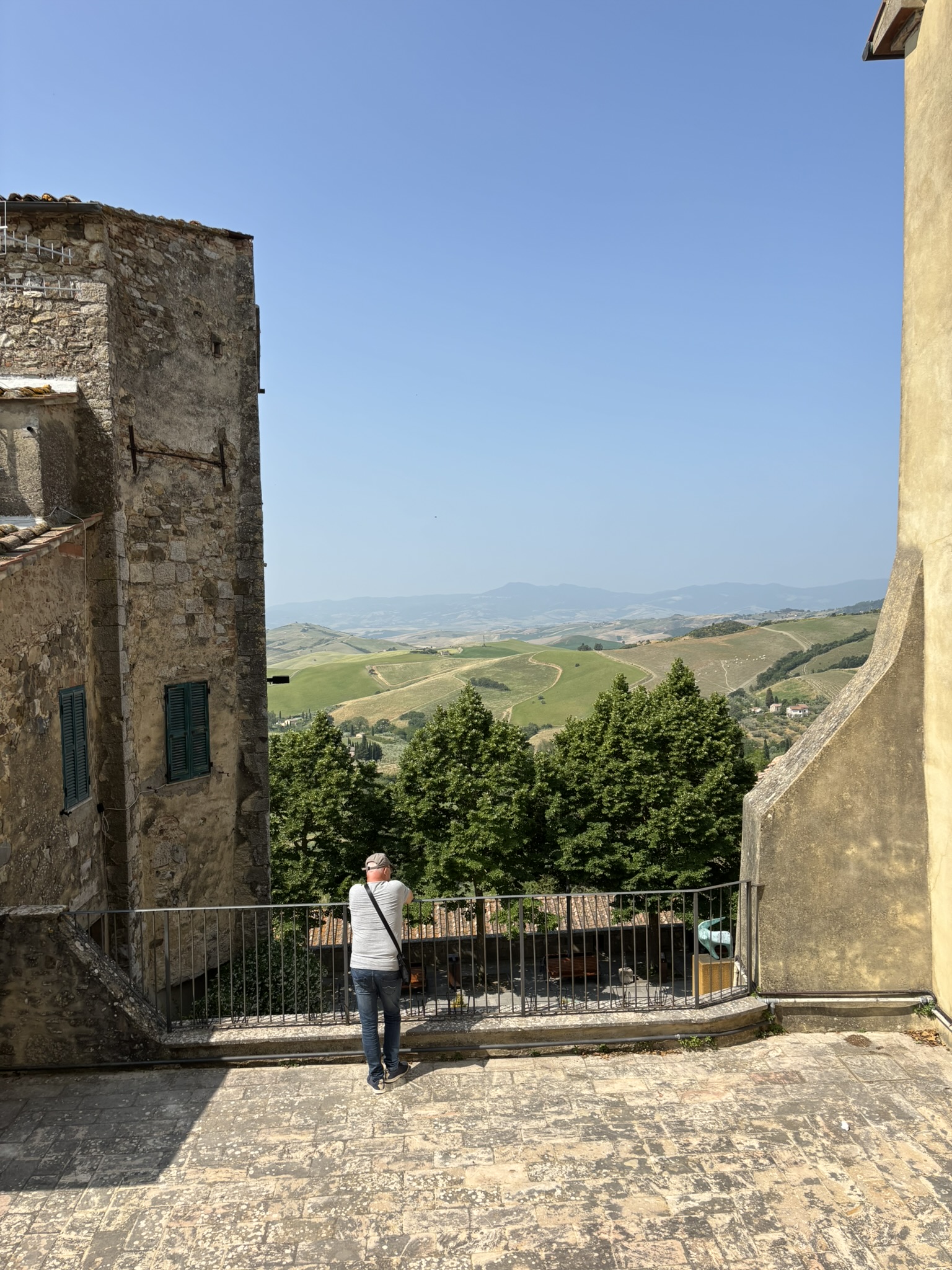
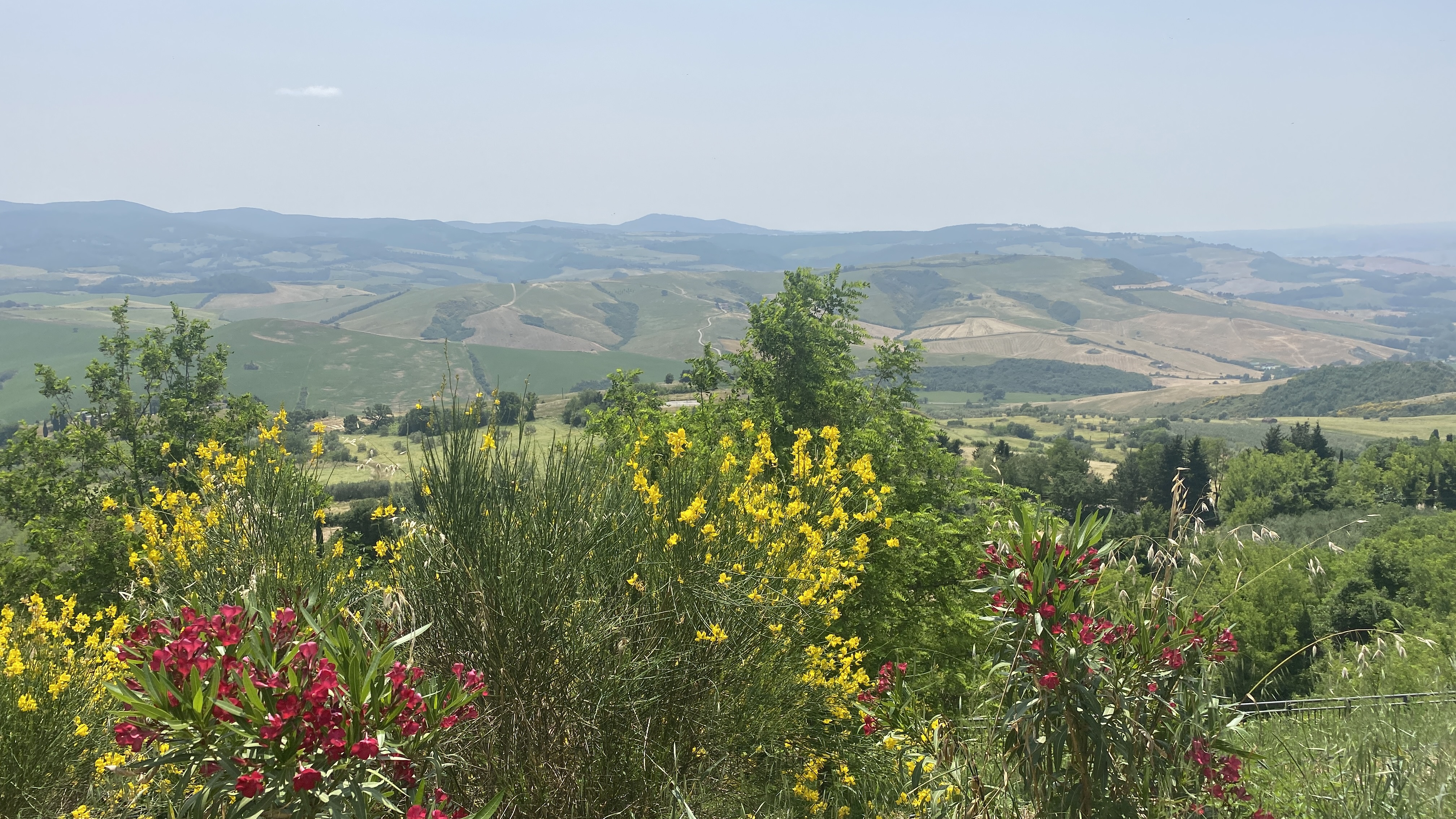
But the medieval town itself also has its own charm as ' uno dei piu belli borghi d'Italia ': You enter through La Terrazza . This square offers you some beautiful views of the valley:
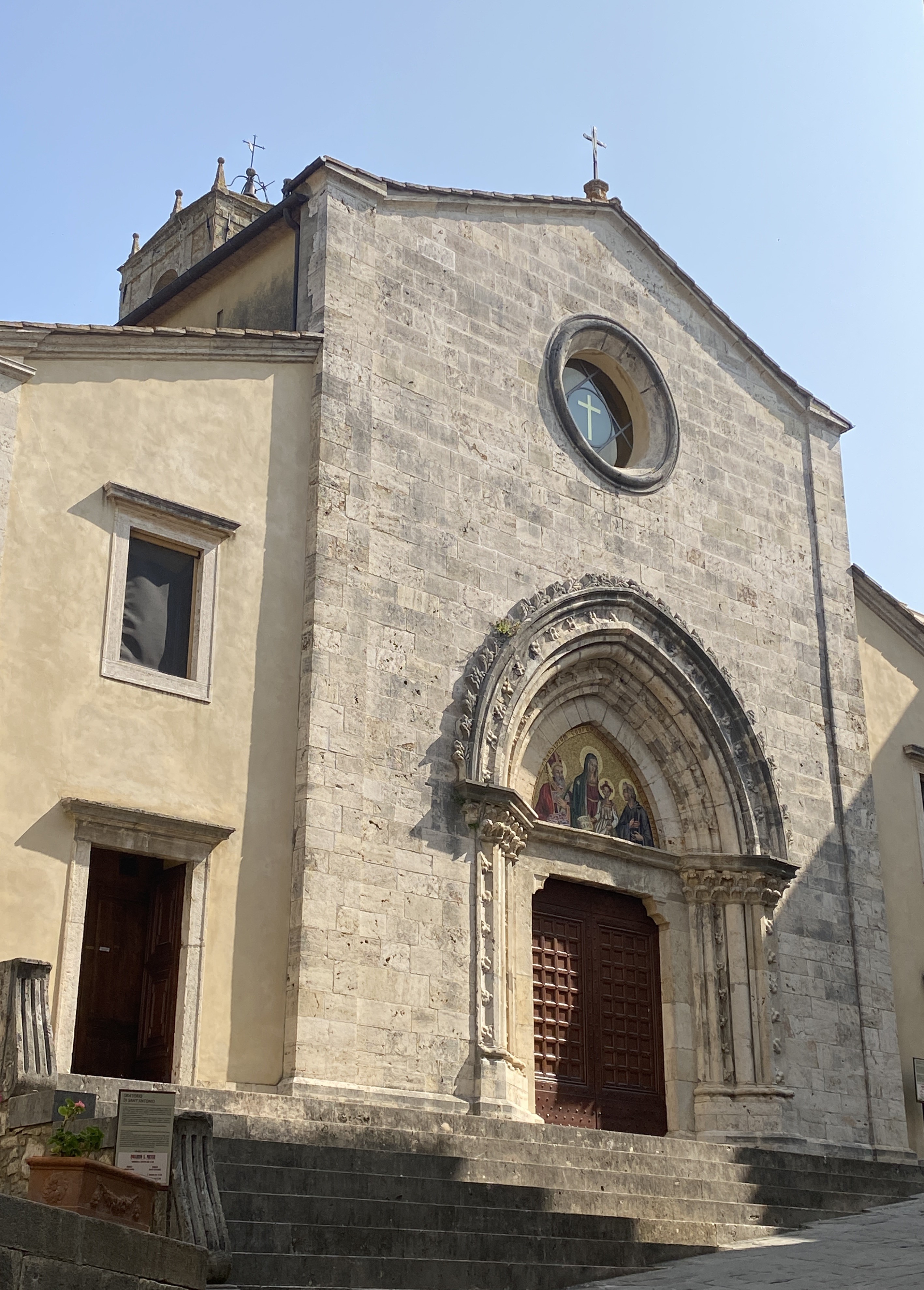
A little further we come to the Insigne Collegiata di San Leonardo and the Chiesa di Sant'Antonio
The Collegiate Church was frequented by bishops and cardinals, who traveled to San Casciano for thermal treatments. In its original form the church was oriented along a west-east axis , rather than the present south- north axis . The entrance was on the left, where the Oratory of S. Antonio now stands.
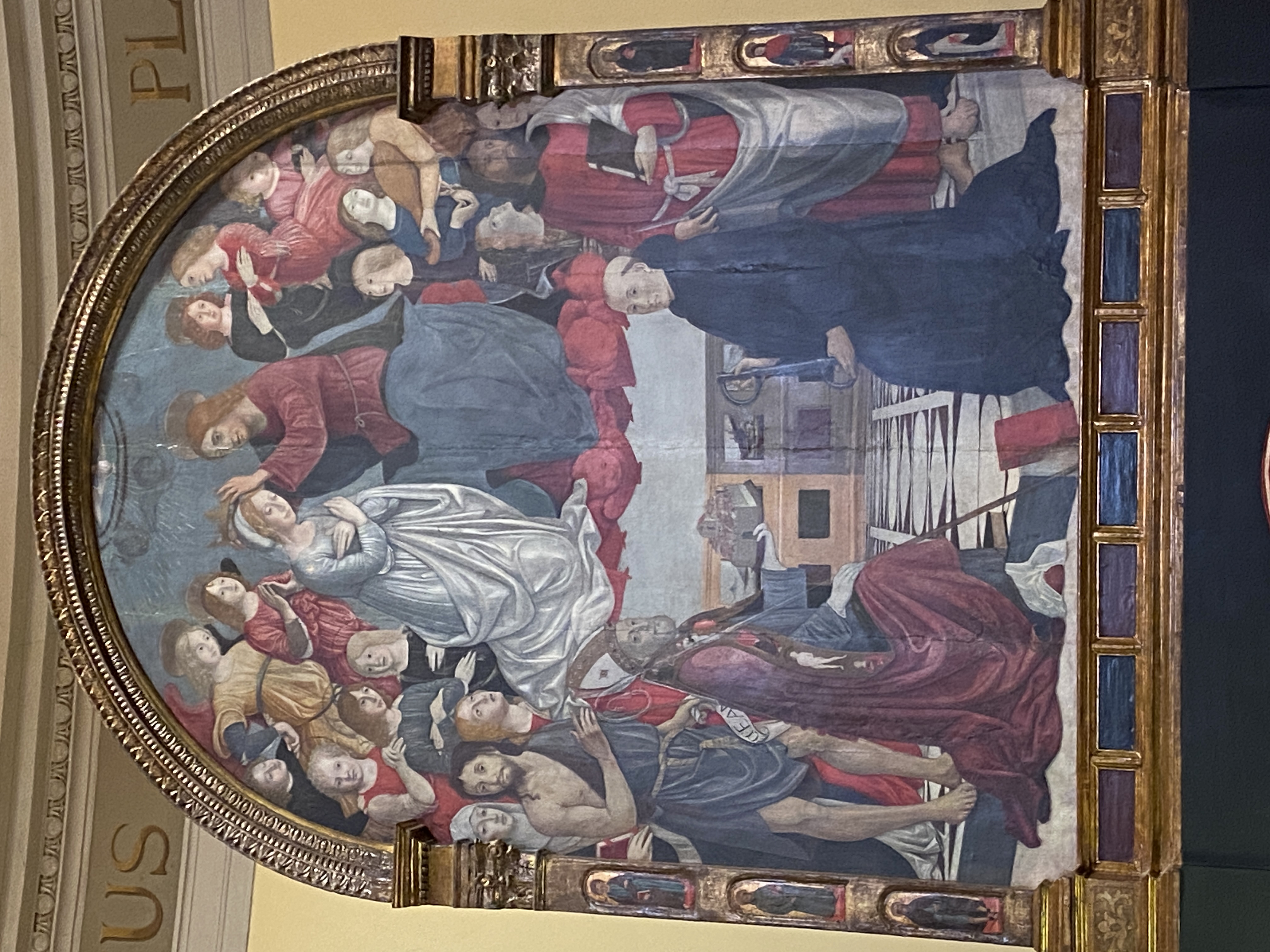
On the main altar there is a panel (Coronation of Mary and the Saints), dating from around 1490.
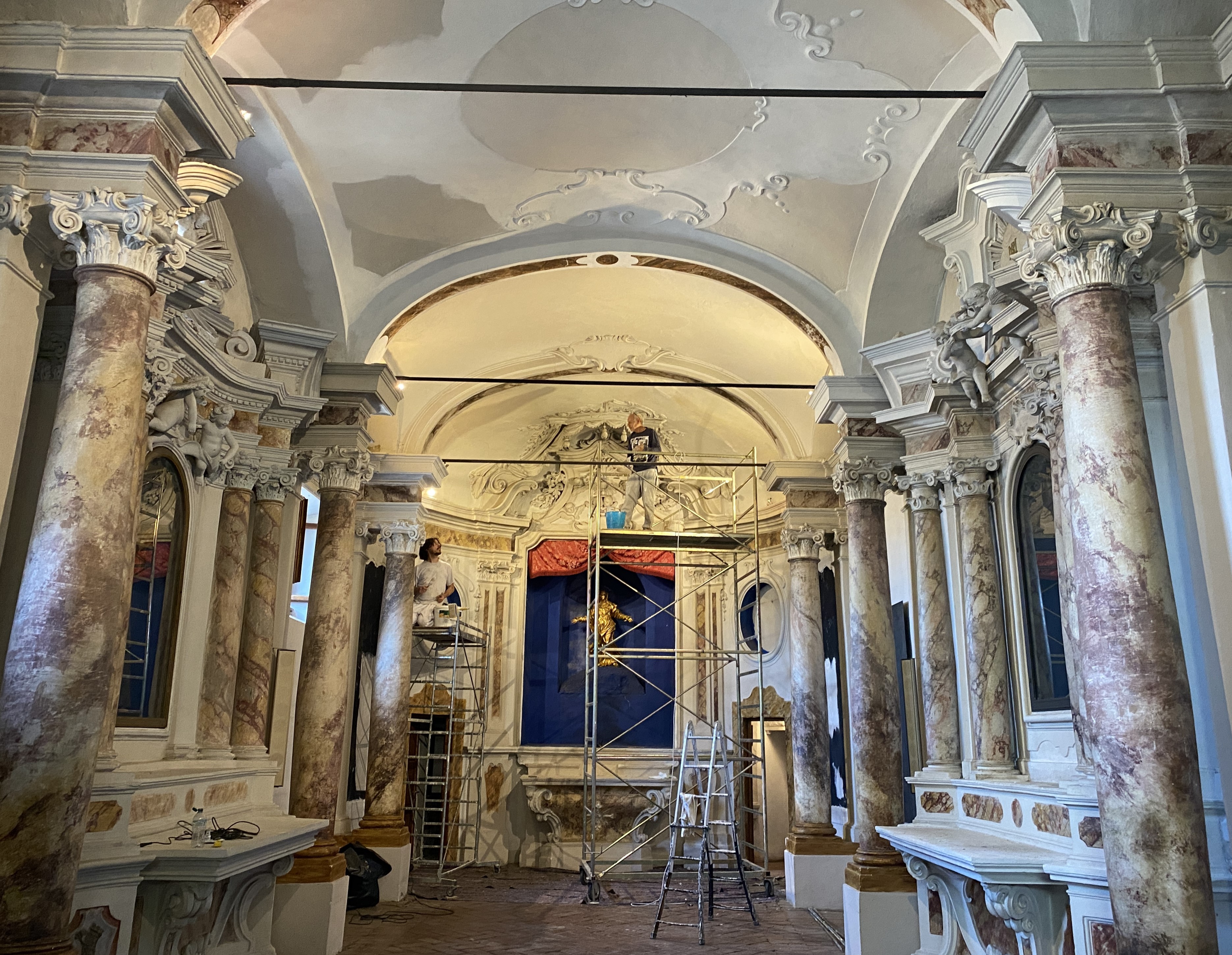
To the left of the church is the Oratorio di Sant'Antonio . Around 1750 the interior was changed to Baroque style, with a round apse with stucco and columns of imitation travertine.
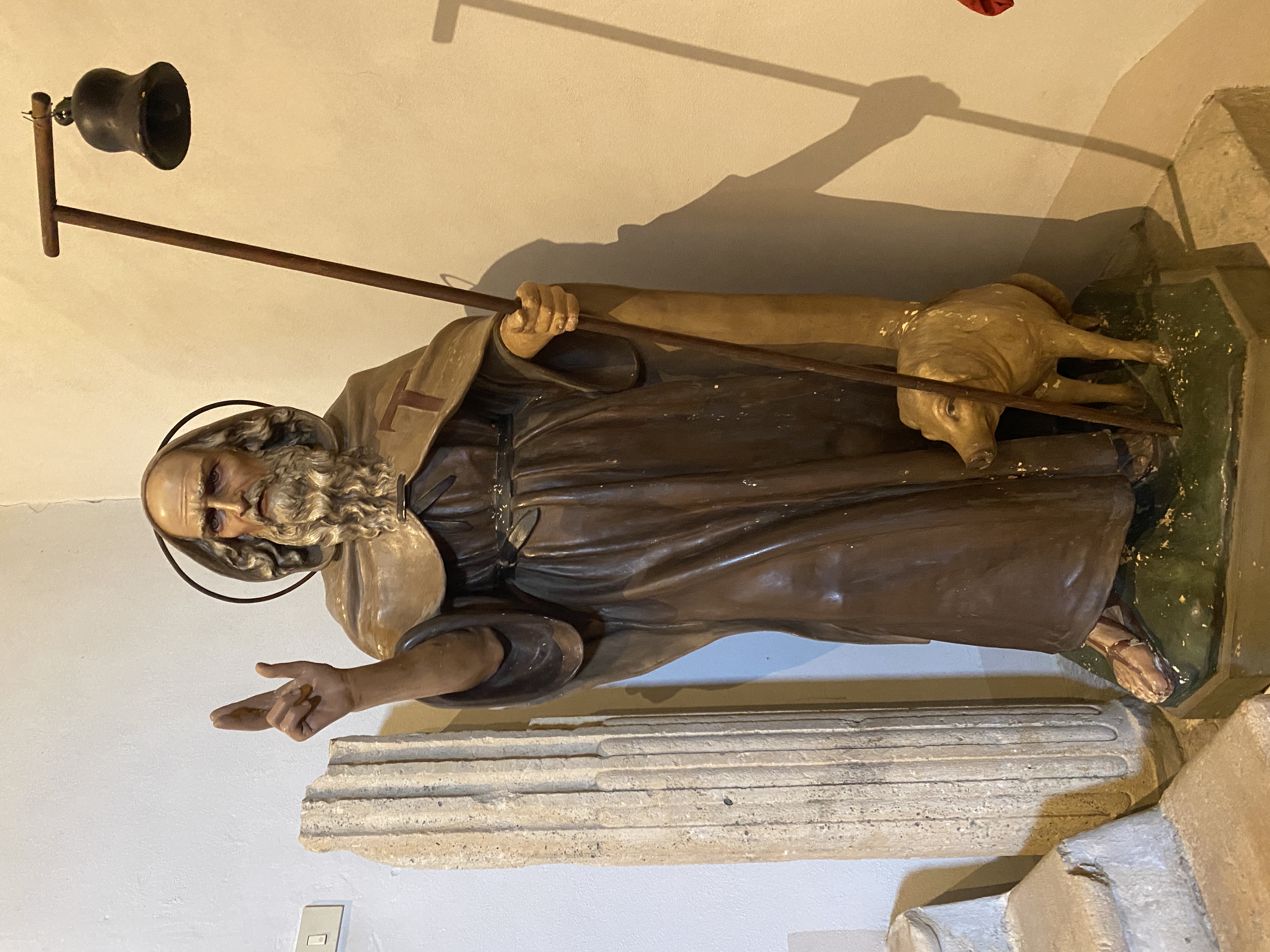
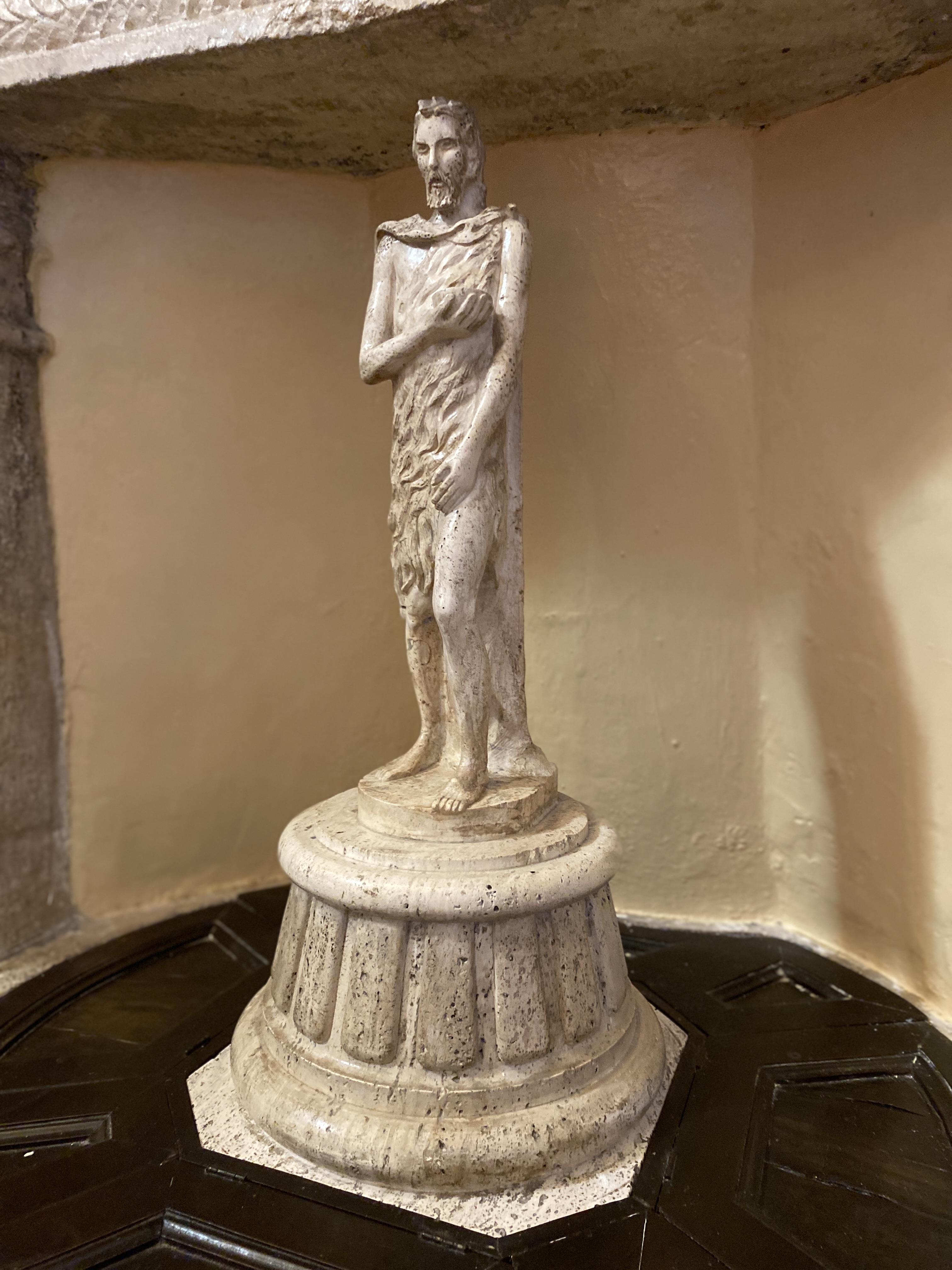
We would like to share two remarkable images with the reader:
On the one hand, Saint Anthony with the attributes 'bell and pig': In order to finance their work, the Antonites were given the right to let pigs, which they often received as gifts, run around freely and let them eat with them. For recognition, the pigs of this order were given a bell.
On the other side of the baptismal font: John the Baptist, dressed in his typical coat of camel hair. (His clothing and his eating habit of eating honey and locusts show that he is dependent on God to provide for his needs).
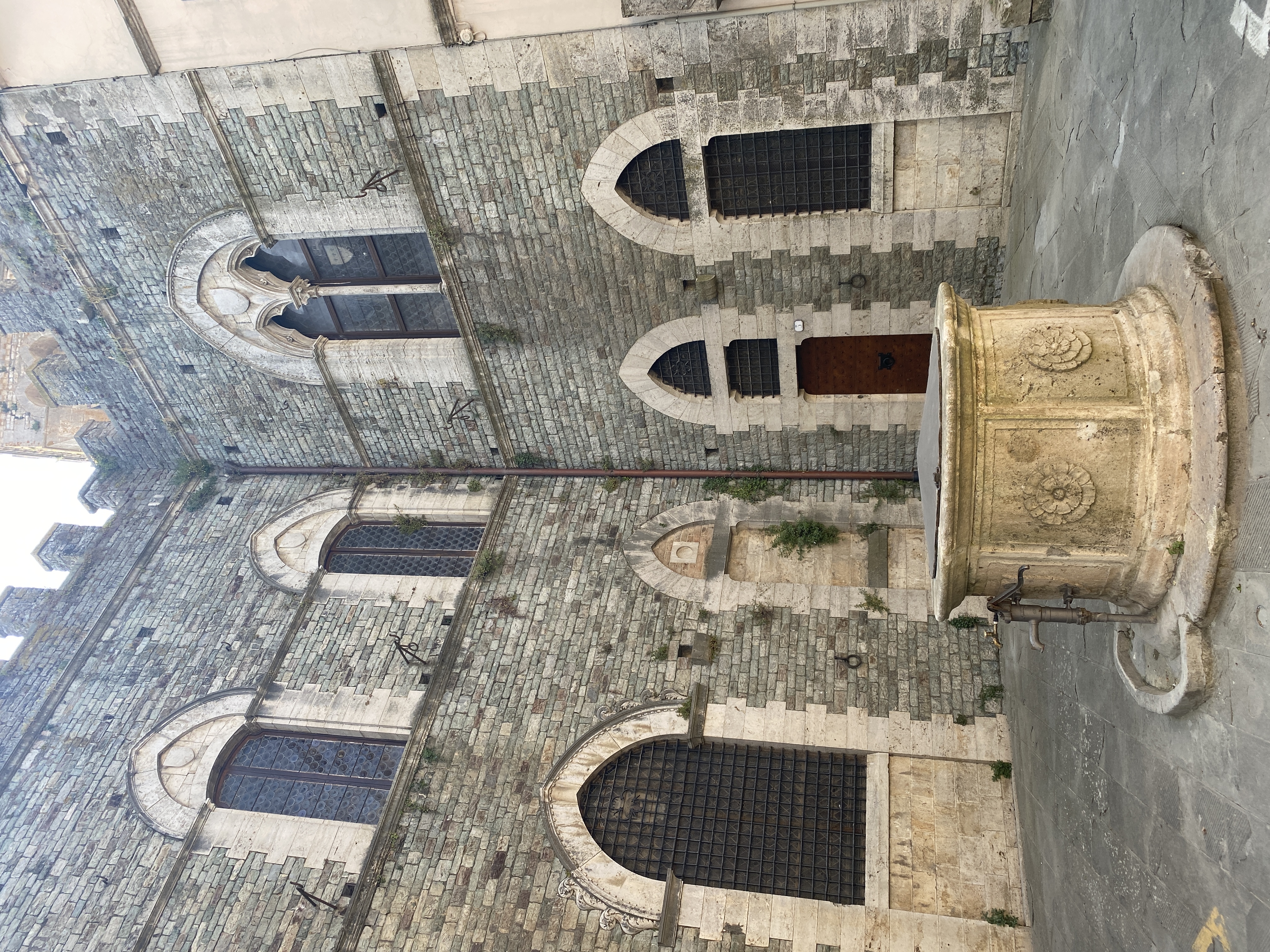
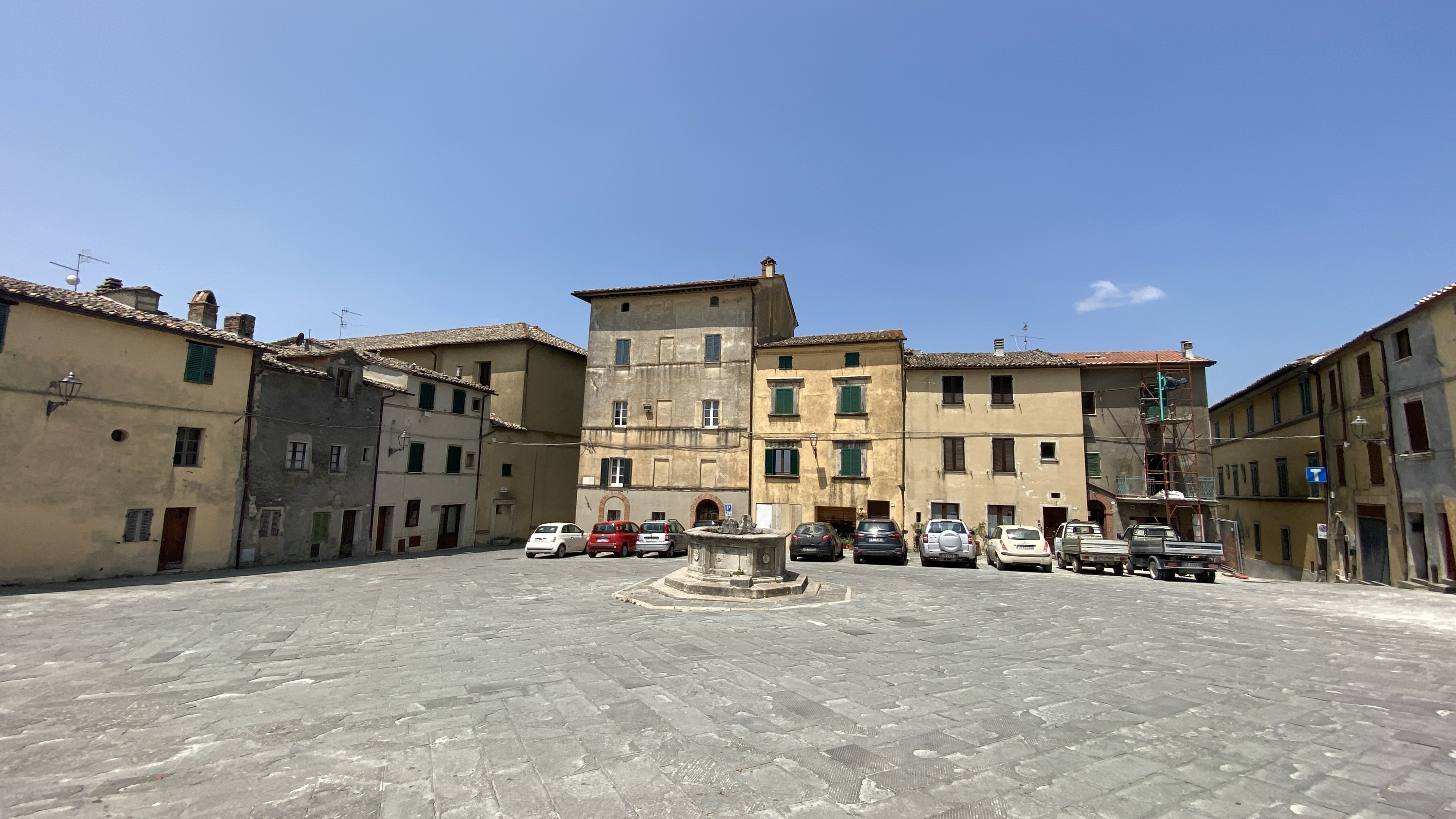
The square in front of the Castello and the Palazzo Communale used to be the centre of social life. Markets were held there and people came to get water from one of the two wells.
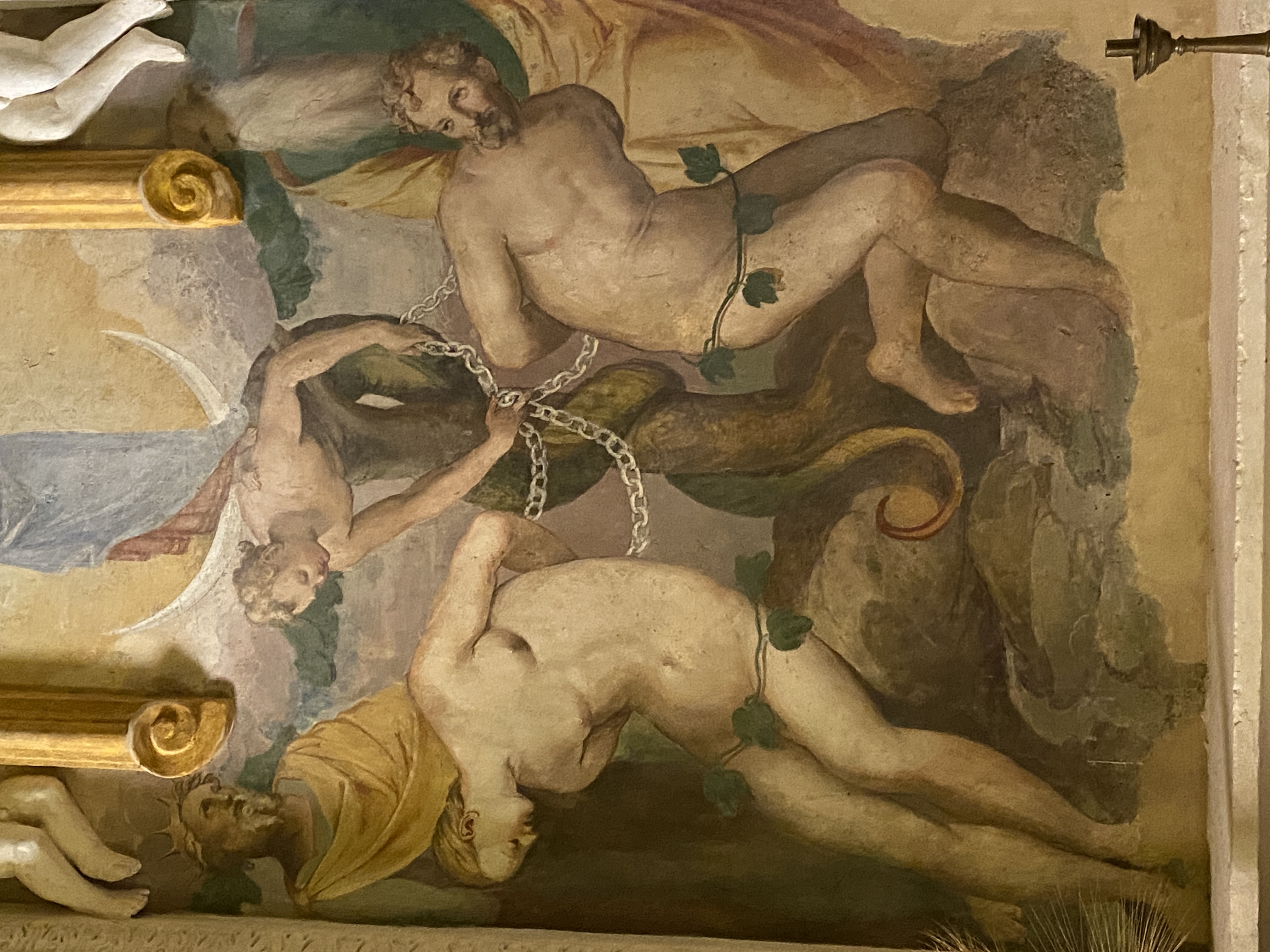
The Chiesa of the Santissima Concezione was founded around 1500. Inside there is a fresco by Pomarancio : Adam and Eve and Original Sin.
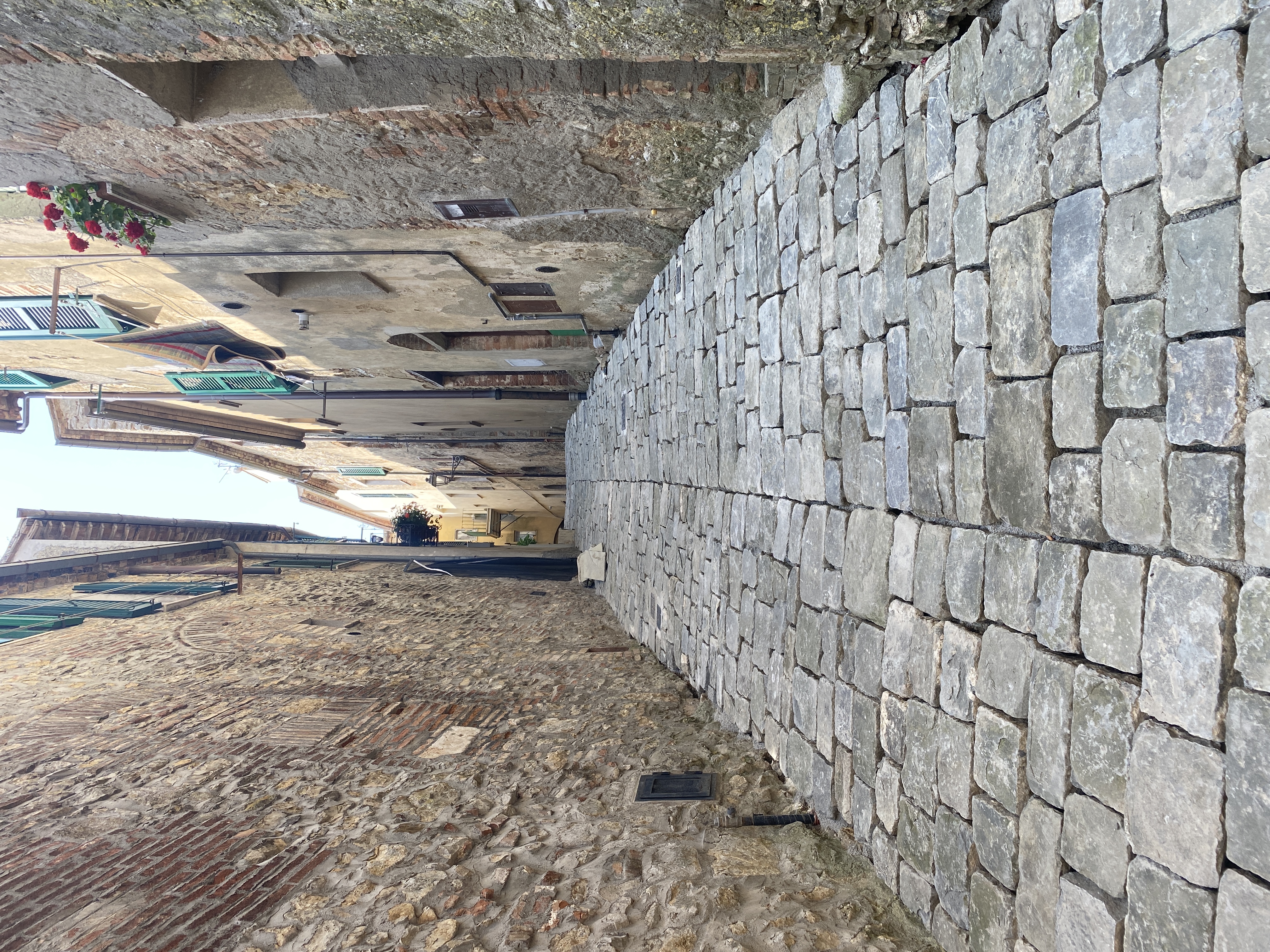
It is a real pleasure to stroll through the authentic streets and squares….
Near San Casciano there are some interesting frazioni . One of them is Celle sul Rigo . In the Middle Ages it served as a storage place for the salt supplies from Maremma , intended for the Republic of Siena. There is no trace of this anymore.
From the immense Piazza Garibaldi you have another magnificent view of the valley!