Dame Iris Margaret Origo, Marchesa Origo, was an English-born biographer and writer. She lived in Italy and devoted much of her life to improving the Tuscan estate at La Foce, which she bought with her husband in the 1920s.
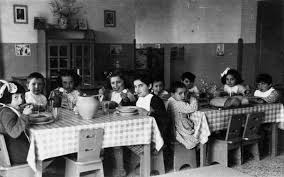
During the Second World War, she persistently sheltered refugee children and helped many escaped Allied prisoners of war and partisans, in defiance of Italy's fascist regime and Nazi occupation forces.
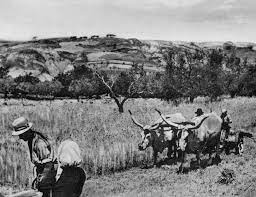
On 4 March 1924, Iris married Antonio Origo, an illegitimate son of Marchese Clemente Origo. They moved to their purchased 7,000 acres (2,800 ha) estate, La Foce. It was in an advanced state of disrepair, but their hard work, care and attention managed to transform it.
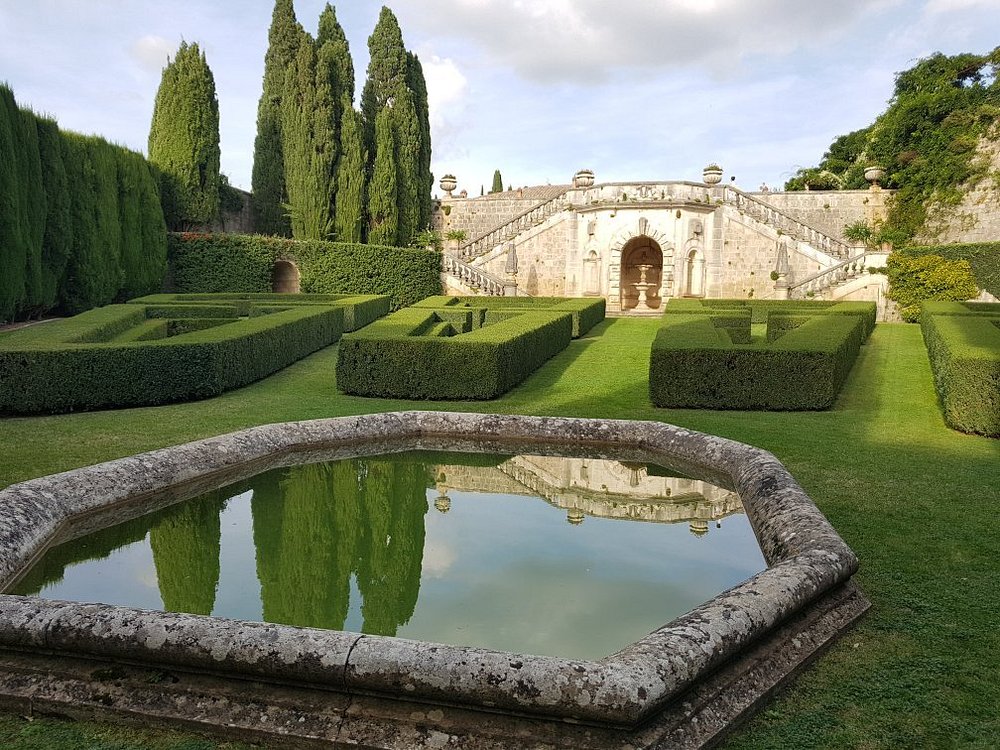
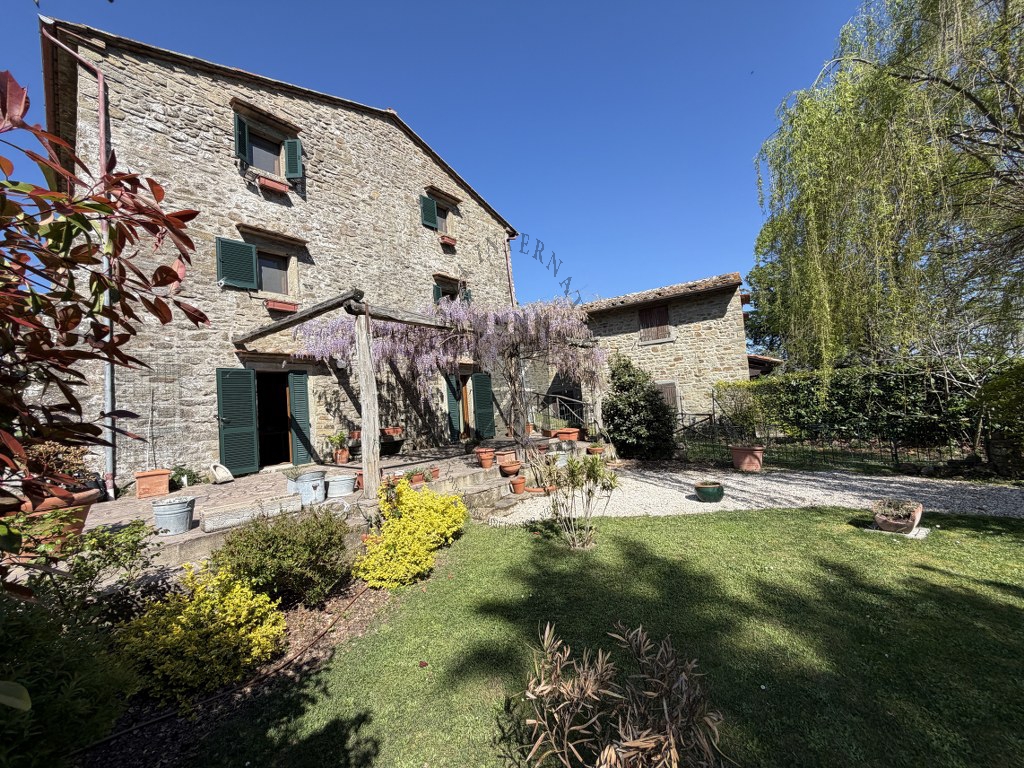
When Antonio and Iris Origo bought the estate of La Foce, they called in the English architect Cecil Pinsent to restore the Villa and surrounding buildings and create a large garden.
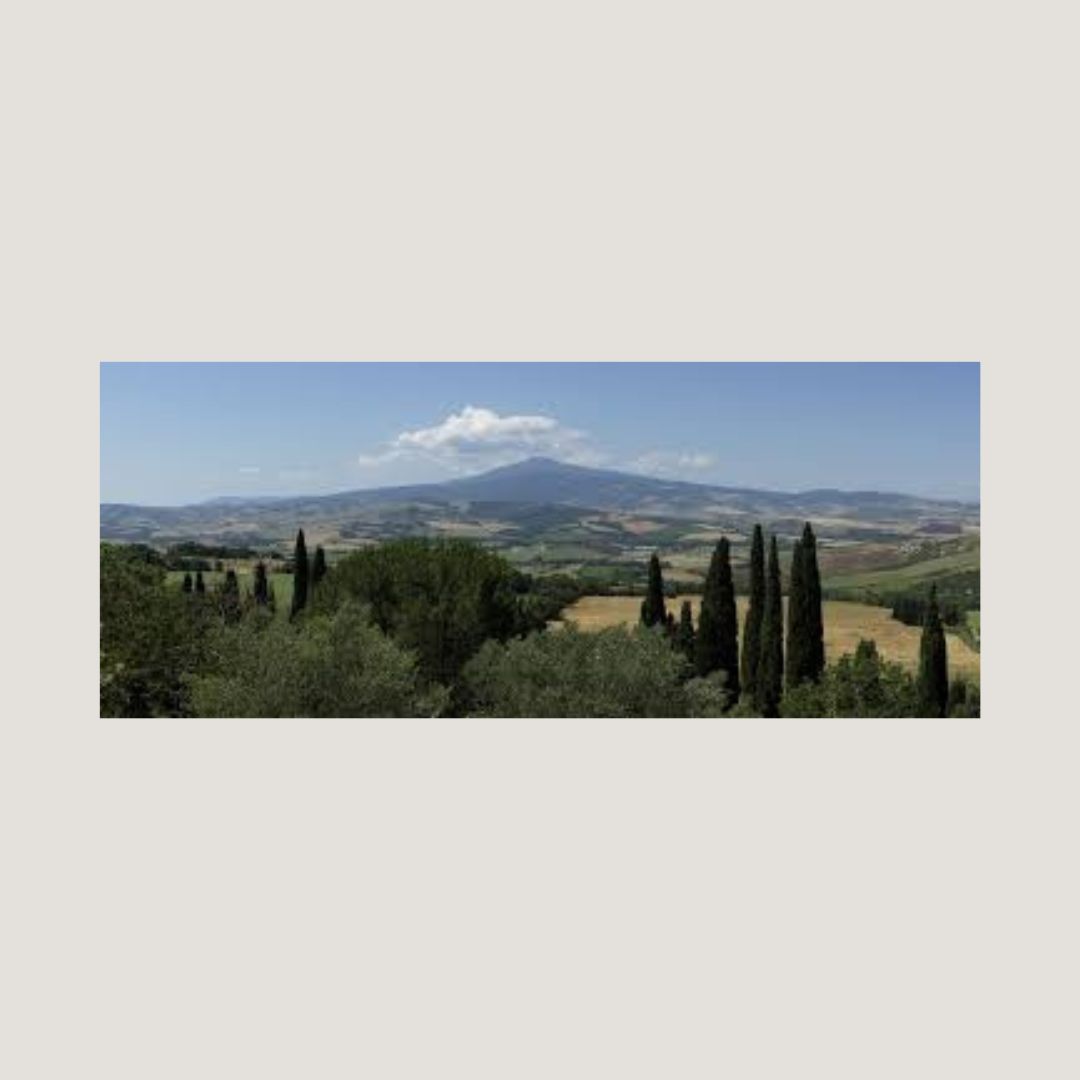
The Garden of La Foce, considered one of Italy’s most beautiful private gardens, was conceived to enhance the Renaissance house and expand the spectacular view over the valley of the Orcia and Mount Amiata. The harmony between buildings, garden and nature makes La Foce an ideal example of Tuscany's architectural and cultural evolution in the 20th century.
La Foce was originally built at the end of the 15th century as a wayside tavern, but soon became the centre of a vast estate owned by the great Siennese Hospital and Monastery of Santa Maria della Scala.
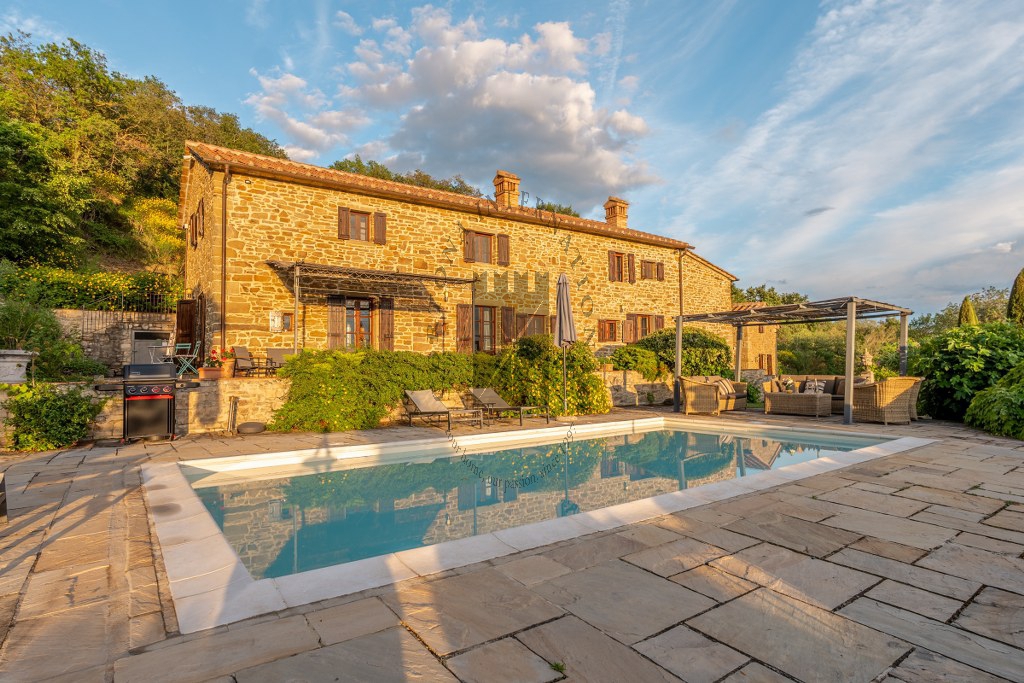
The house is built on three levels, following the lie of the hill, and is surrounded by the now famous gardens created by Iris Origo and the English architect Cecil Pinsent – a 'labour of love' lasting many years. Parts of the garden are open to the public on certain days, though the garden by the house and the pool remain private. The airy, frescoed interior is filled with beautiful antique furniture, and reflects the unique Anglo-Tuscan taste of its owners.
After the death of her son, Iris Origo began a writing career with a well-received biography of Giacomo Leopardi, published in 1935 and during the Second World War, they spent time at La Foce caring for refugee children, and after Italy (but not Germany) surrendered, helping escaped Allied prisoners of war trying to cross German lines or simply survive. After the war, she divided her time between La Foce and Rome, where the Origos had bought an apartment in the Palazzo Orsini, and devoted herself to writing.
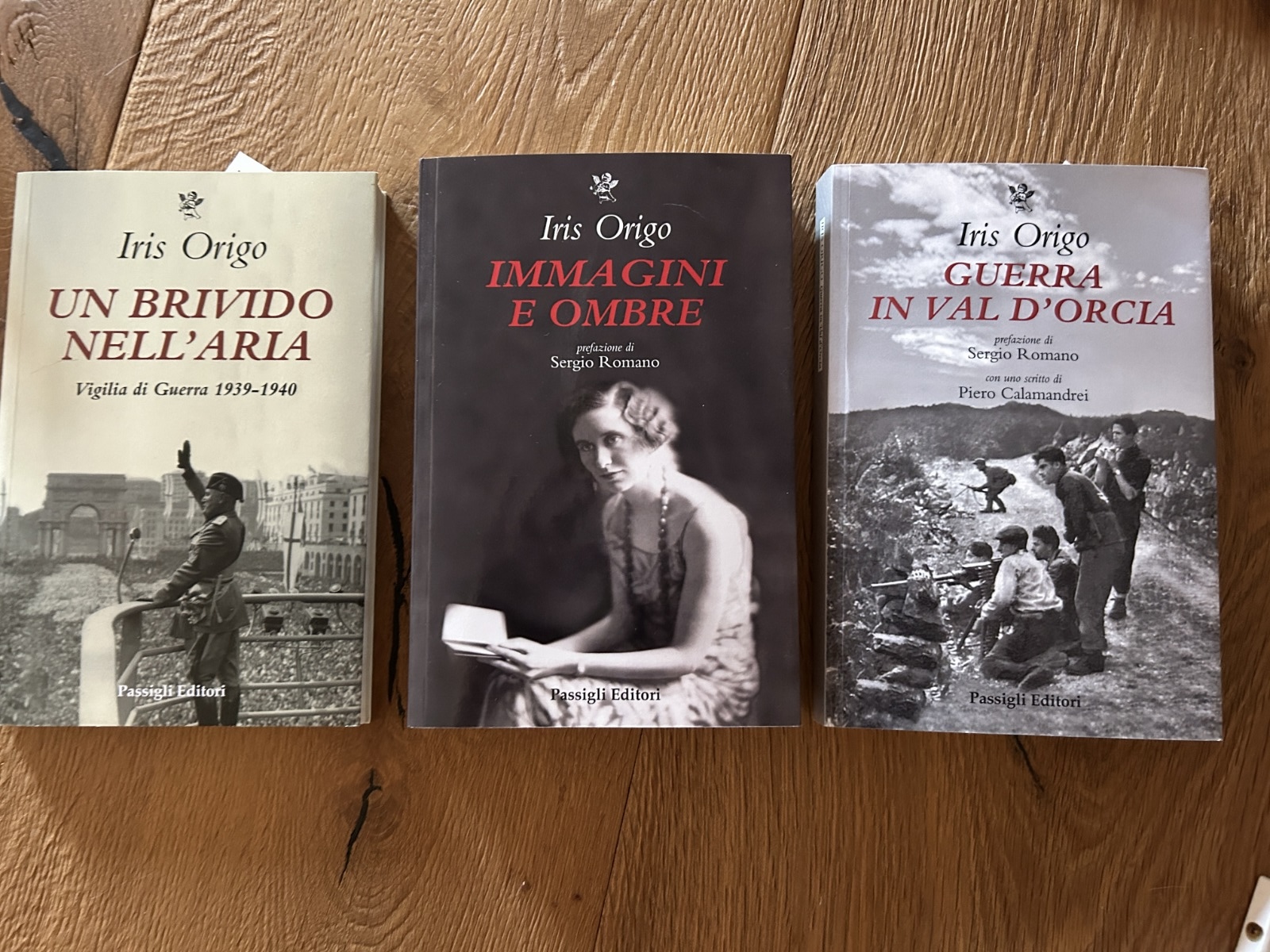
The wonderful - though sometimes difficult - years at La Foce are vividly described by Iris, an Anglo-American biographer and historian of international fame, in her two autobiographical books, Images and Shadows and War in Val d'Orcia.
Images and Shadows
An autobiography, in which Iris Origo describes her childhood spent between Europe and America, and her subsequent move to La Foce, a large farm in Tuscany. There she shared with her husband Antonio the responsibility of bringing back prosperity to the barren land and impoverished people.
War in Val d'Orcia, An Italian War Diary 1943-1944
A classic of the Second World War, this diary is an elegantly simple chronicle of daily life at La Foce, a Tuscan no-man's land torn by foreign invasion and civil war. "The Marchesa Origo's faithful record is one of those precious and rare accounts that give the truth of history with the art of a gifted writer, that bears witness nobly to ignoble times" (Helen Wolff).
A Chill in the Air
Published for the first time, A Chill in the Air is the account of the awful inevitability of Italy's stumble into a conflict for which its people were ill prepared. With an introduction by Lucy Hughes-Hallet, the award-winning author of The Pike, and an afterword by Katia Lysy, granddaughter of Iris Origo, this is the gripping precursor to Origo's bestselling classic diary War in Val d'Orcia.