Giotto and St Francis in Perugia, Galleria Nazionale dell’Umbra
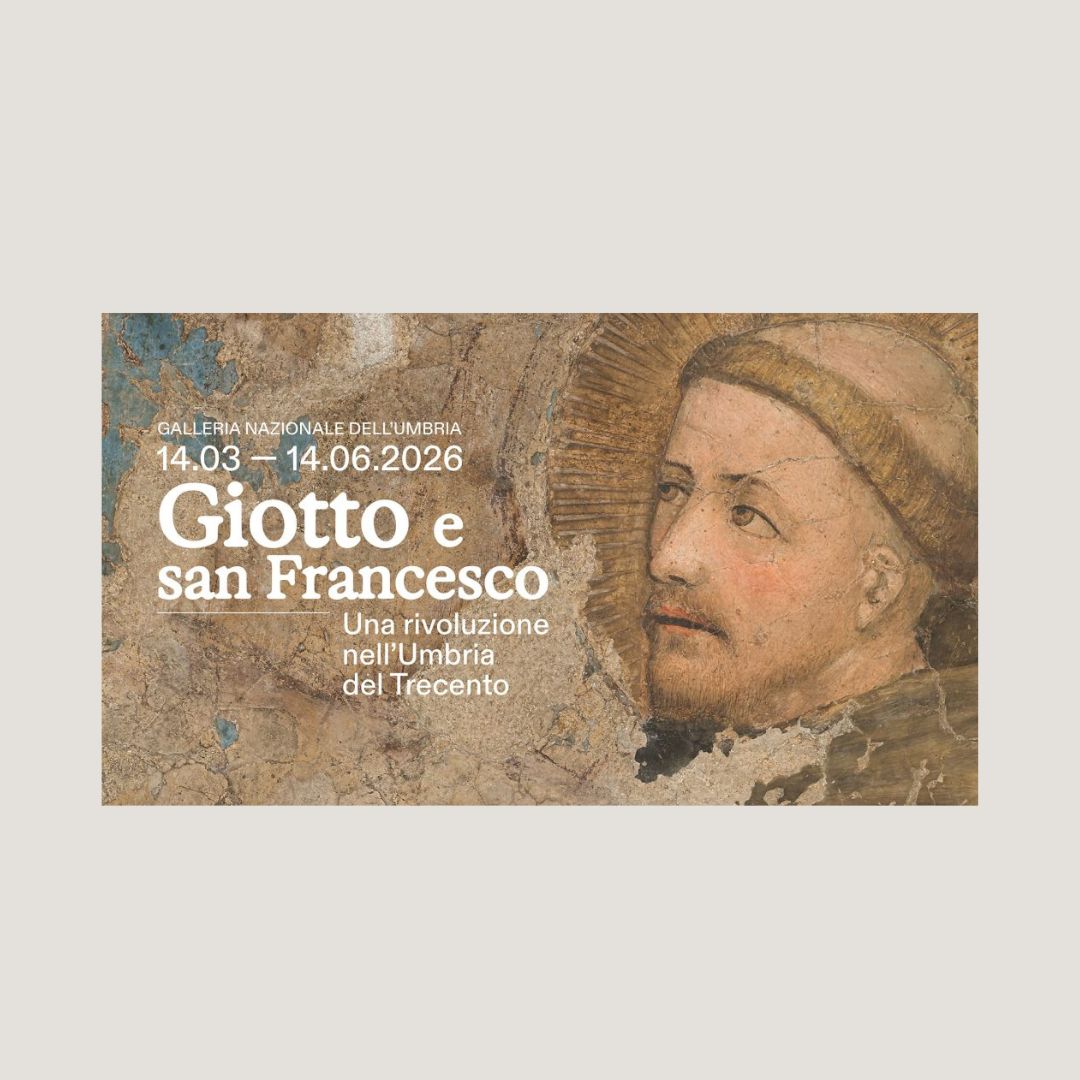
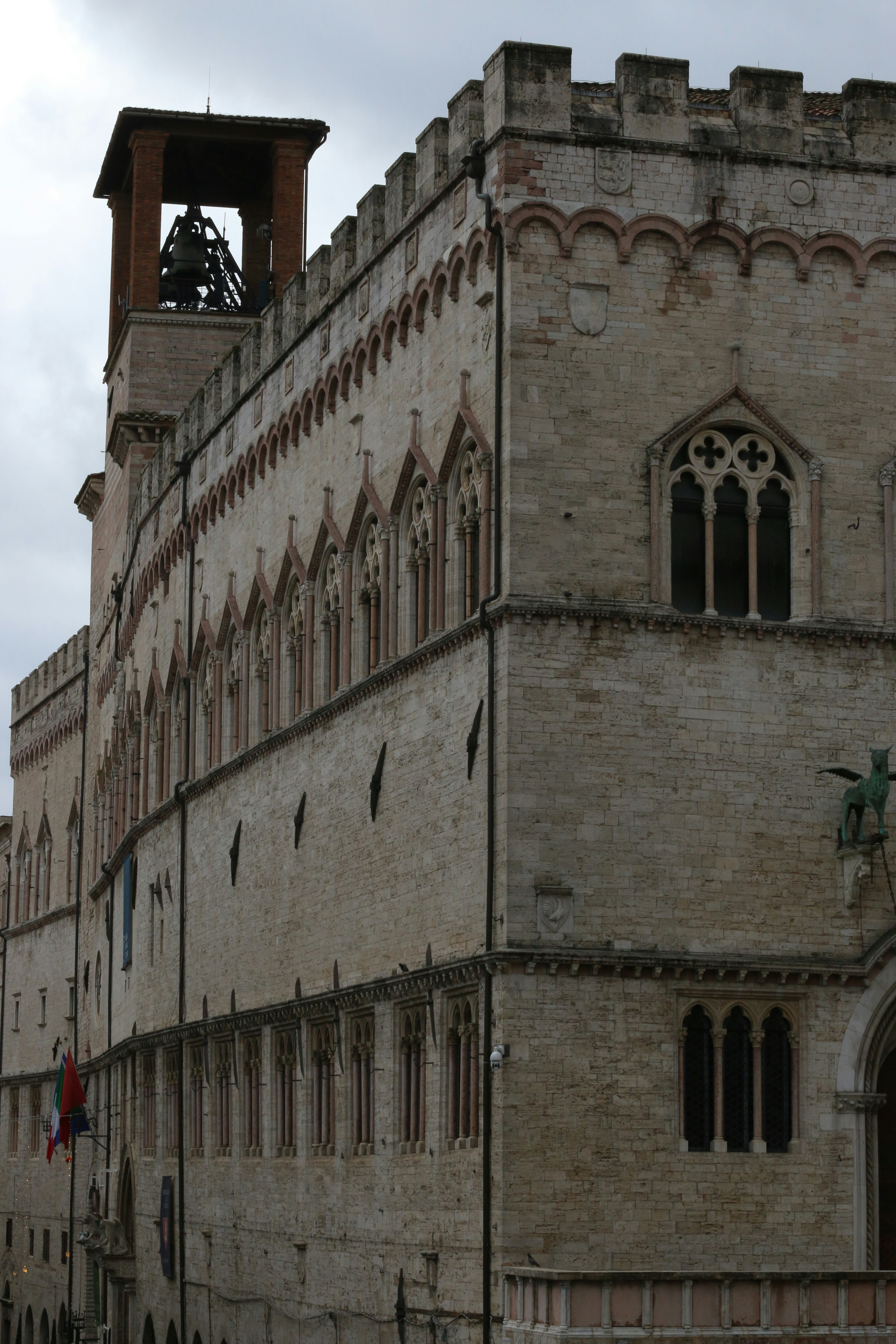
In 2026, the historic city of Perugia hosts one of Italy’s most significant art events: “Giotto e san Francesco. Una rivoluzione nell’Umbria del Trecento”, held at the Galleria Nazionale dell’Umbria from March 14 to June 14.
The exhibition celebrates the 800th anniversary of the death of Saint Francis of Assisi and explores the profound artistic transformation sparked by his spiritual legacy and the genius of Giotto di Bondone.
A Turning Point in Art History
The exhibition centers on a pivotal moment between the late 13th and early 14th centuries, when medieval art underwent a radical shift. Giotto broke away from the rigid, stylized Byzantine tradition—known as the “maniera greca”—and introduced a new visual language grounded in realism, emotion, and spatial depth.
This transformation is closely tied to the spiritual revolution of Saint Francis, whose emphasis on humanity, nature, and emotional connection found a visual counterpart in Giotto’s paintings. Together, they mark what many scholars consider the birth of modern Western art.
Masterpieces and Artistic Dialogue
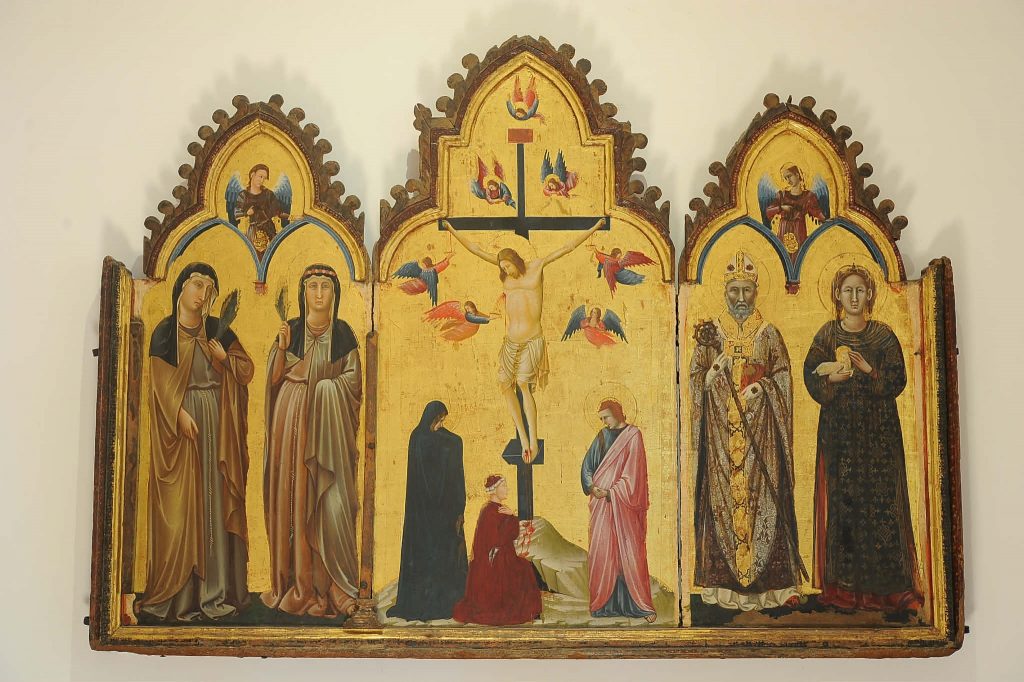
The exhibition features over sixty works, including key masterpieces such as the Madonna di San Giorgio alla Costa and the Polittico di Badia. These works highlight Giotto’s ability to create lifelike figures with volume, presence, and emotional depth—qualities that were unprecedented at the time.
Alongside Giotto, the exhibition presents works by other major Trecento artists like Simone Martini and Pietro Lorenzetti, whose contributions demonstrate how Giotto’s innovations spread and evolved across central Italy. Their refined Gothic elegance and dramatic storytelling enrich the narrative of this artistic revolution.
The Umbrian Context
A key focus of the exhibition is the region of Umbria itself, particularly the role of the Basilica of San Francesco d’Assisi as a creative hub. It was here that Giotto developed his groundbreaking fresco cycles, influencing generations of artists and turning Assisi into one of Europe’s most important artistic centers of the time.
ConclusionThe Giotto exhibition in Perugia is more than a display of masterpieces—it is a journey into the origins of modern art. By bringing together exceptional works and contextualizing them within the spiritual and cultural climate of medieval Umbria, the exhibition offers a compelling insight into how art began to reflect the real world with unprecedented clarity and emotion.