Battle of Scannagallo
The Battle of Scannagallo (1554) wasn’t just a quick clash—it was a carefully prepared, large-scale engagement that decided the fate of Siena and is one of the main historical re-enactments celebrating Tuscan identity.
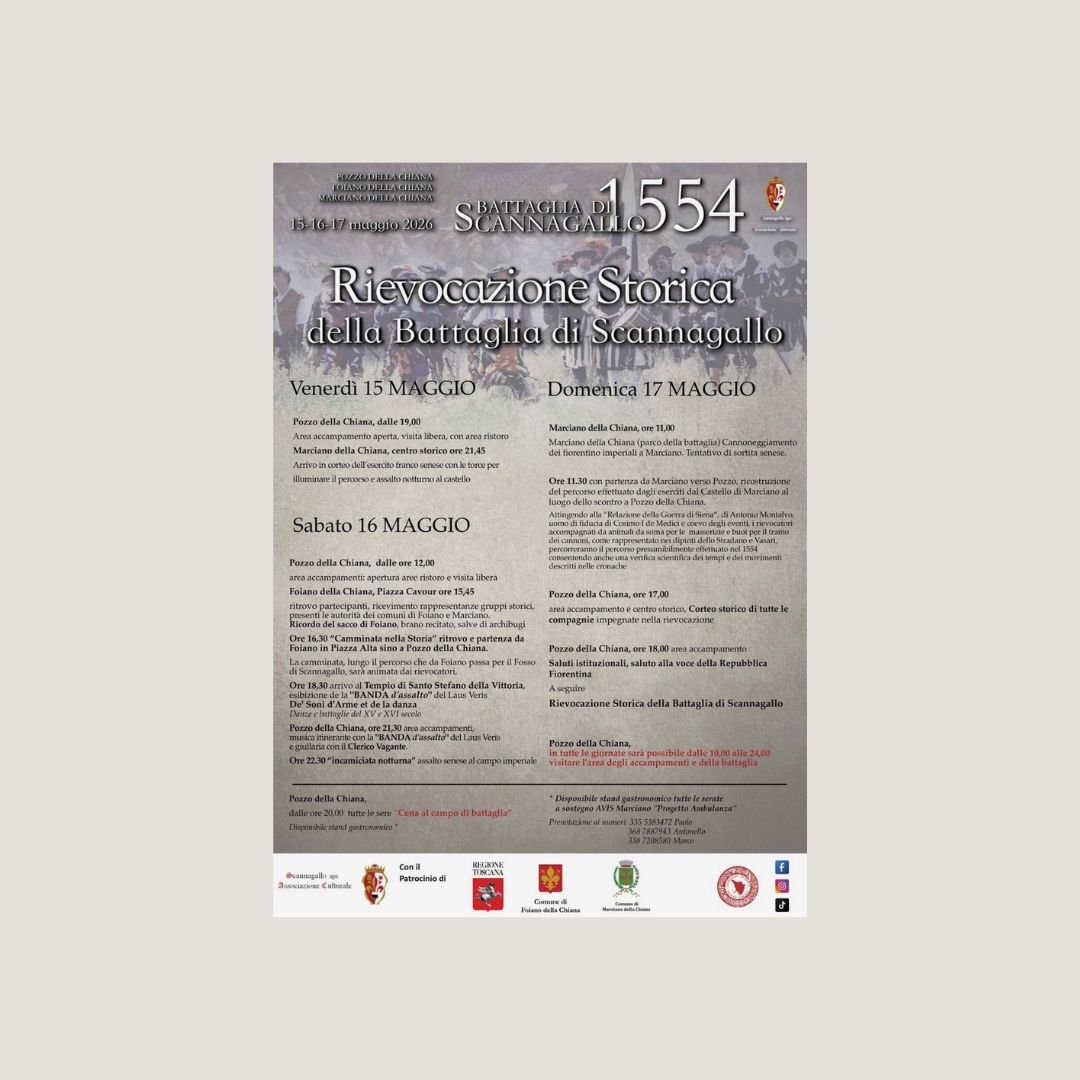
The reenactment takes places over three days, Friday 15 May to Sunday 17 May, in Marciano della Foiano, when the historical society performs theatrical re-enactments. The festival also has parades, historical lectures and conferences plus food stands making this an immersive experience for all ages into the history of the Valdichiana. Scannagallo cultural association will present an extensive programme featuring theatrical re-enactments, parades, performances, battles, conferences and gastronomy, offering visitors of all ages an immersive experience in the history of the Valdichiana.
A brief look into the Battle of Scannagallo and its significance
By 1554, the war between the Republic of Siena and the Duchy of Florence had dragged on for months. Siena relied heavily on French support, while Florence was backed by Spain under Emperor Charles V. The Florentine aim was simple: force a decisive battle to break Siena’s military capacity once and for all.
The battle took place in the Chiana valley, near Marciano with the rolling hills, cultivated fields and a small stream. The landscape being slightly elevated gave an advantage to the army that could hold formation and visibility. This favoured the more structured army, the Florentine - Spanish army.
The Siena army, commanded by Piero Strozzi and combined with French support, were about 12 to 15,000 strong but lacked coordination between the multinational troops, whilst the Florentine army, lead by Gian Giacomo Medici and with Spanish support, had discipline and cohesion.
How the battle unfolded
The opening moves of the battle were made by Strozzi, the army advanced aggressively, hoping to catch the Florentine army off guard, deploying his forces across a broad front, aiming to overwhelm one flank.
Medici, however, held a defensive, well-structured formation, anchoring his lines and waiting for the right moment.
Both sides exchanged artillery fire, the light infantry skirmished ahead of the main lines and the Florentine-Spanish forces used more coordinated firepower, softening the Sienese advance
The turning point of the battle came when Strozzi’s troops lost alignment during the advance, especially among the mercenaries. The Spanish held firm and then counterattacked in tight formation and with cavalry charges by the Florentine side, this disrupted the Sienese flanks
The Sienese line began to fragment, turning an organized assault into a chaotic mess.
Once the cohesion broke, units started retreating unevenly with many soldiers being killed while fleeing or captured and Strozzi himself was wounded, further damaging morale and the command structure.
After the battle, Siena had lost its main field army and the remaining resistance became defensive and desperate and the city fell in 1555 after a long siege
Cultural legacy
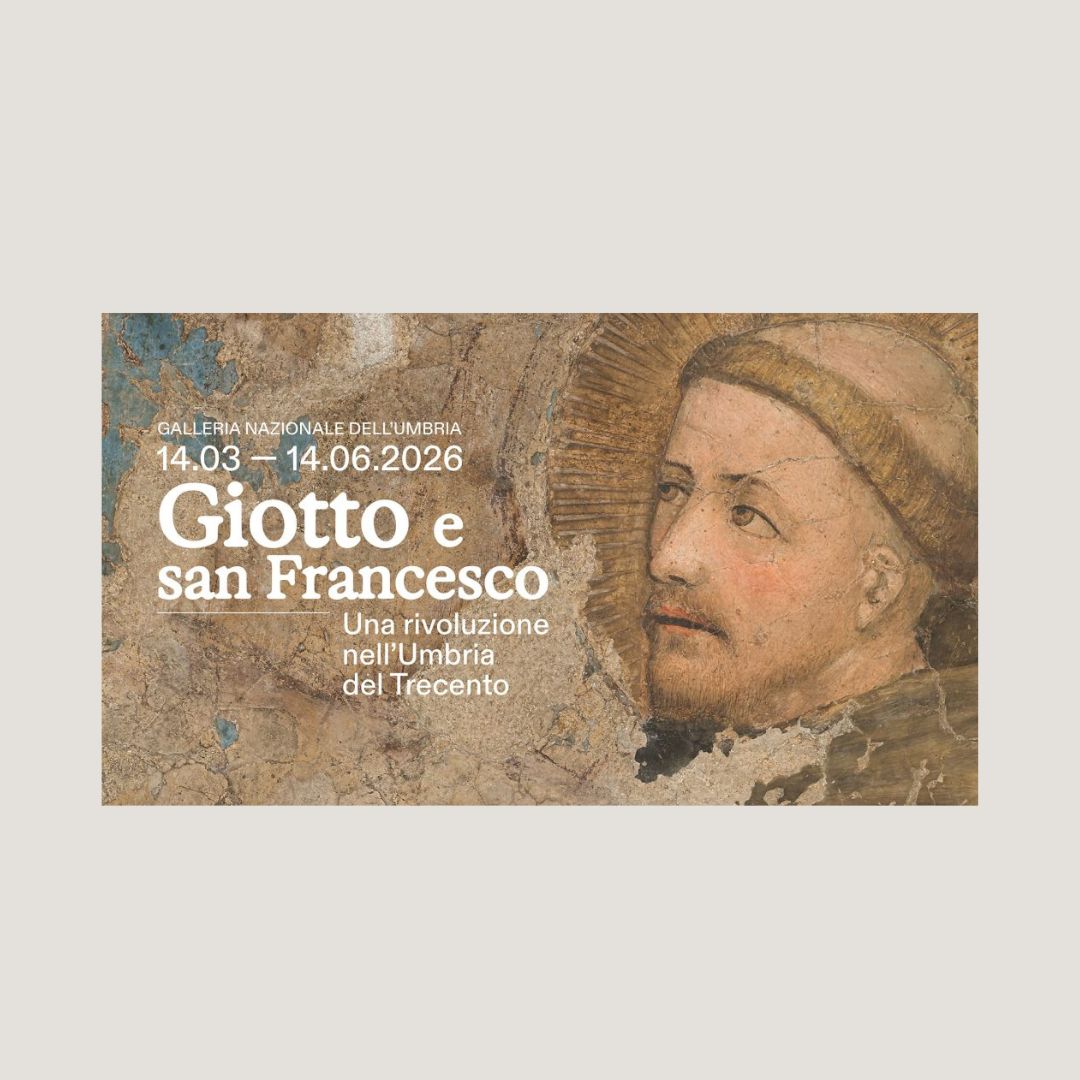
The battle was later immortalized in art—most famously in frescoes commissioned by the Medici in Florence, celebrating their victory and the unification of Tuscany under their rule.